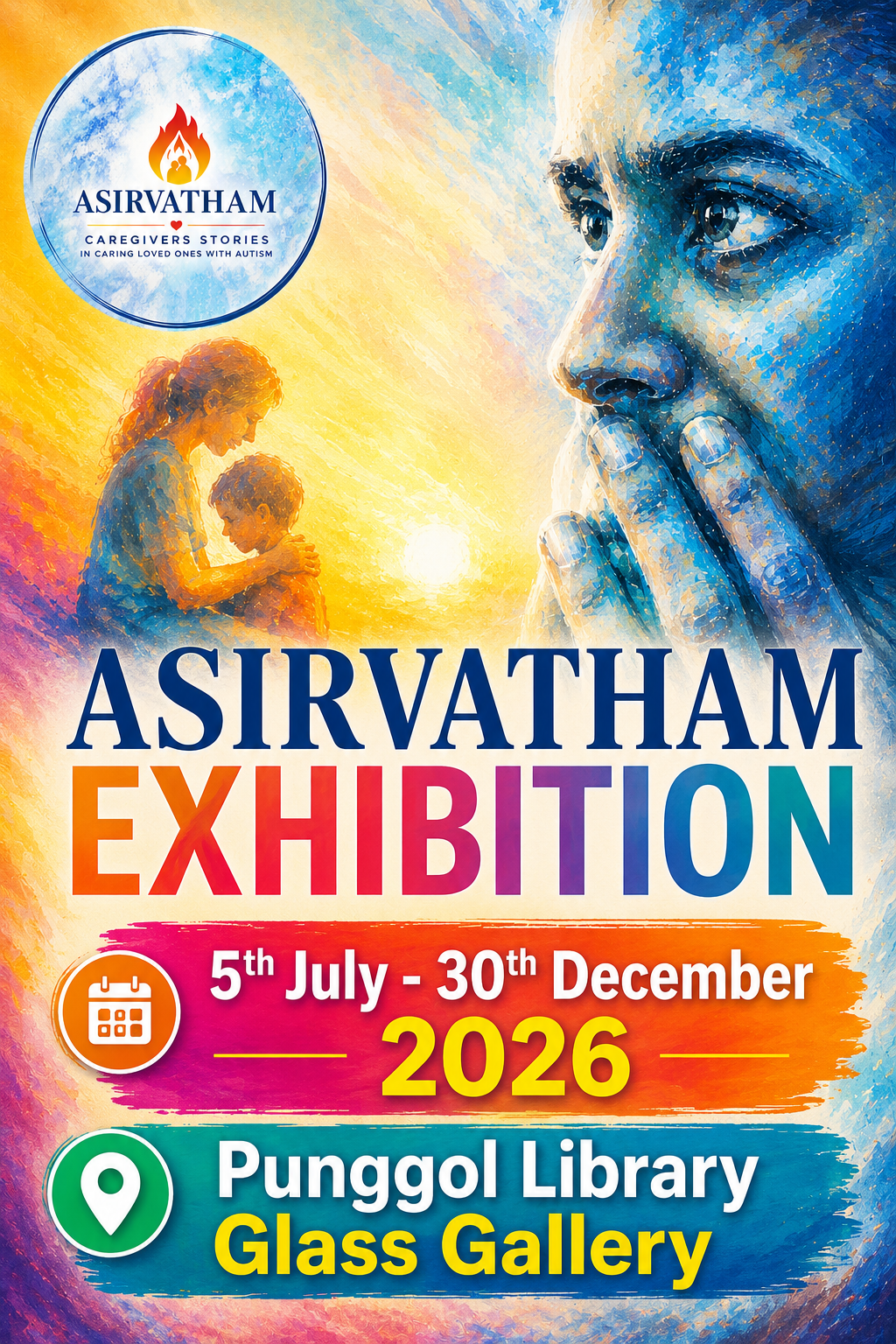
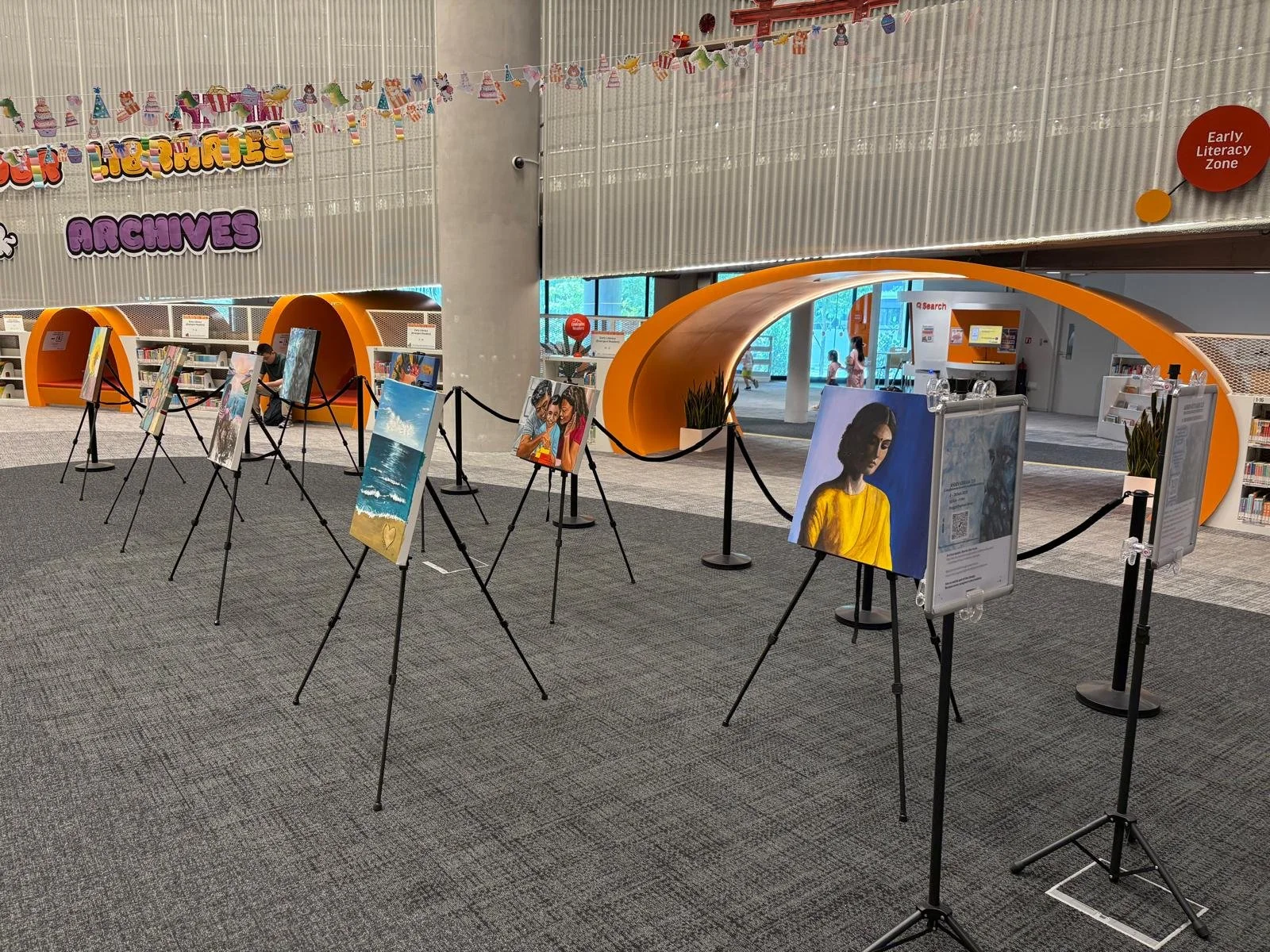
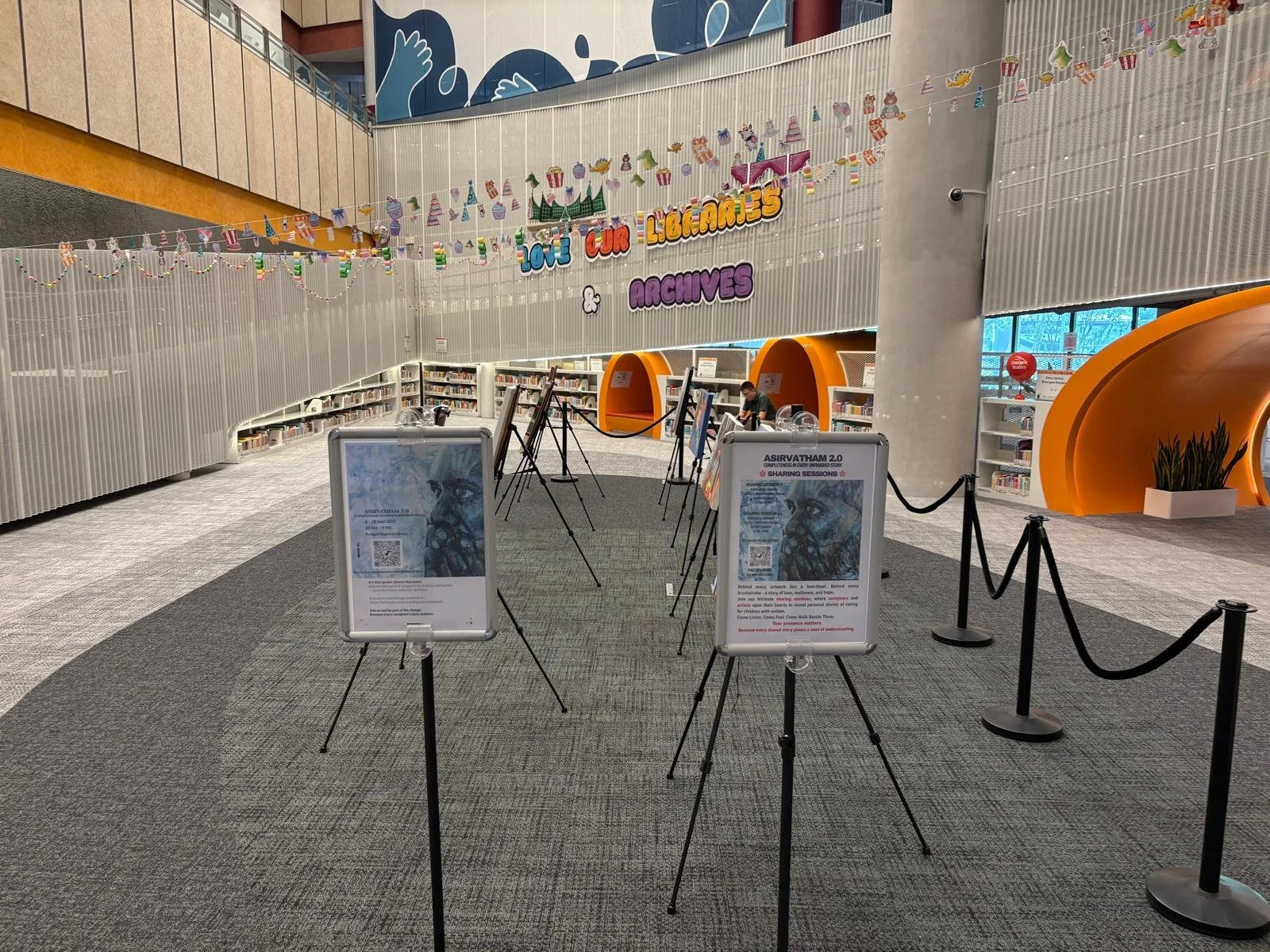
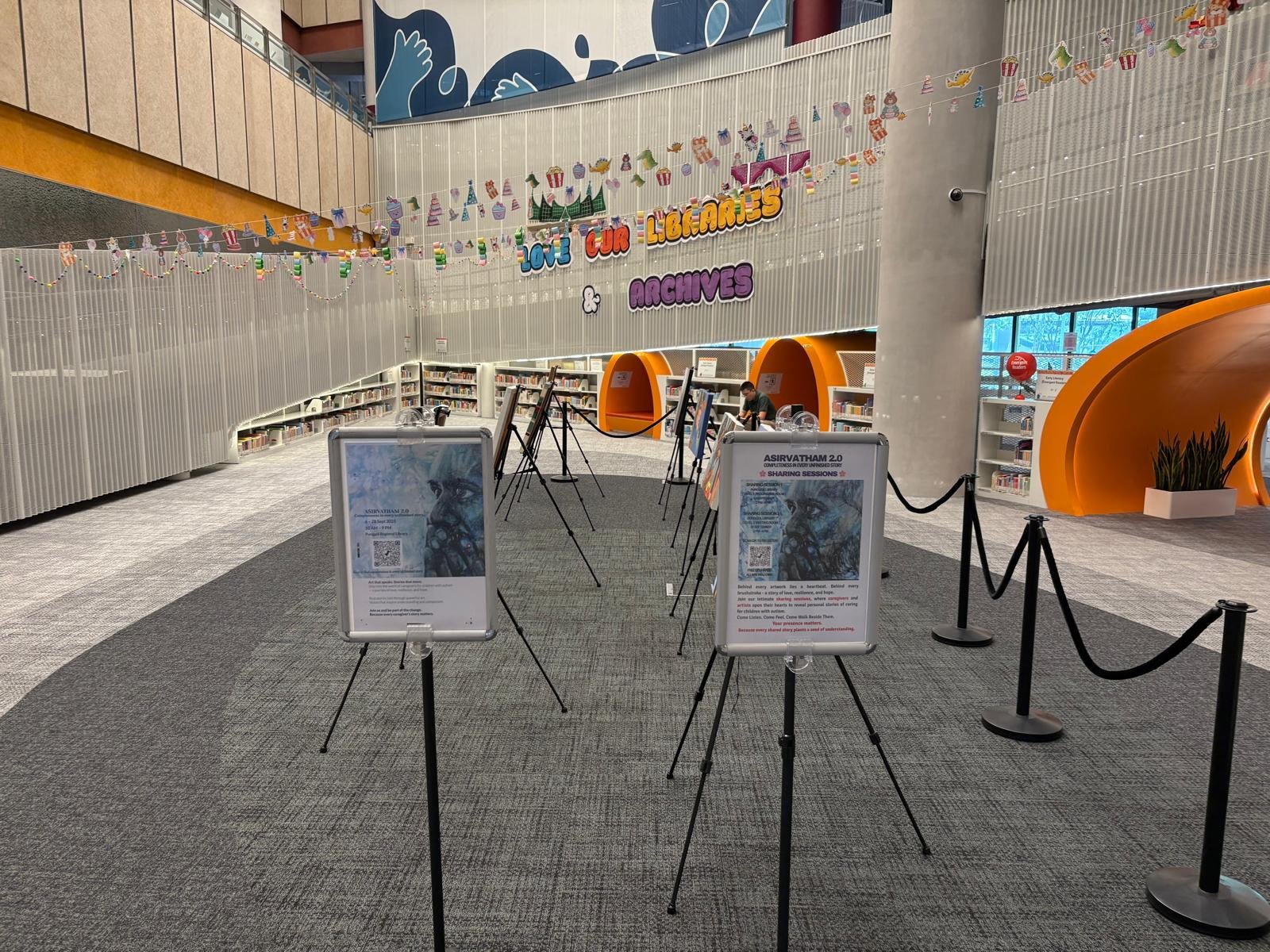
ASIRVATHAM 2.0 Completeness in every unfinished storyThis year, a new group of artists and caregivers has stepped up to support ASIRVATHAM 2.0 - each bringing their own lens, colours, heartbeat.Family portraits speak of bonds unbroken.Landscapes open into the vast horizons of hope and challenge.Square frames hold the fragile balance between chaos and calm.Colours dance from radiant joy to quiet shadow, each stroke echoing laughter, tears, and the unspoken weight of love.In every piece lies a completeness within the incompleteness - a truth that care is not perfection, but presence.This exhibition invites you to feel, to understand, and to walk beside the autism community, carrying forward their stories in your own heart.
*
ASIRVATHAM 2.0 Completeness in every unfinished storyThis year, a new group of artists and caregivers has stepped up to support ASIRVATHAM 2.0 - each bringing their own lens, colours, heartbeat.Family portraits speak of bonds unbroken.Landscapes open into the vast horizons of hope and challenge.Square frames hold the fragile balance between chaos and calm.Colours dance from radiant joy to quiet shadow, each stroke echoing laughter, tears, and the unspoken weight of love.In every piece lies a completeness within the incompleteness - a truth that care is not perfection, but presence.This exhibition invites you to feel, to understand, and to walk beside the autism community, carrying forward their stories in your own heart. *
Where Caregivers’ Stories Meet Artistic Expression
This year, a new group of artists and caregivers has stepped up to support ASIRVATHAM 2.0 - each bringing their own lens, colours, heartbeat. ly portraits speak of bonds unbroken. Landcapes open into the vast horizons of hope and challenge. Square frames hold the fragile balance between chaos and calm.
Colours dance from radiant joy to quiet shadow, each stroke echoing laughter, tears, and the unspoken weight of love. In every piece lies a completeness within the incompleteness - a truth that care is not perfection, but presence.
This exhibition invites you to feel, to understand, and to walk beside the autism community, carrying forward their stories in your own heart.
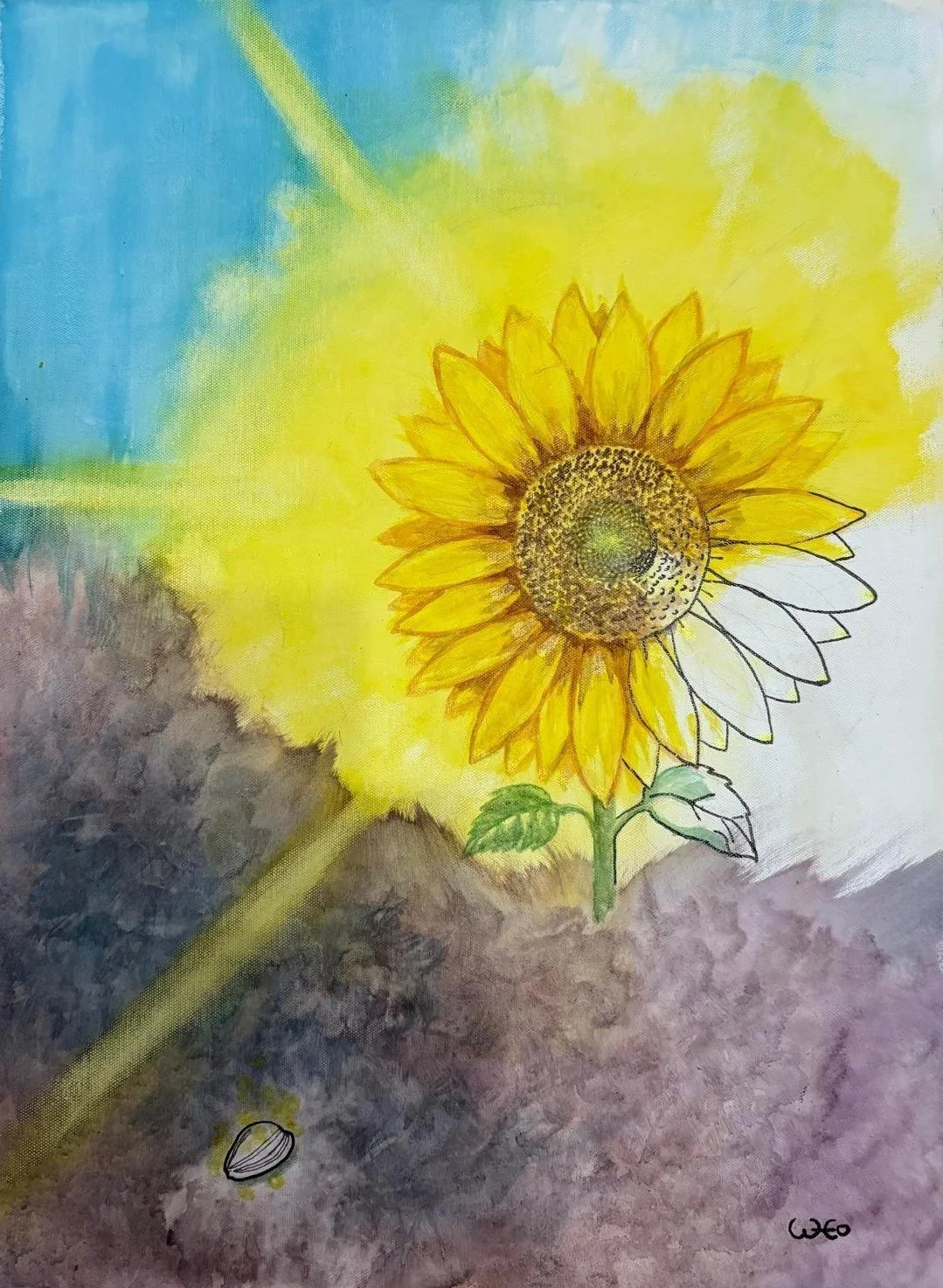
Caregiver: JARITA IGNATIUS
Artist: HO WAI HONG
When Adrian was first diagnosed with autism, my world felt like it was sinking into shadows I couldn’t escape. I carried a quiet heaviness—one that came with uncertainty, isolation, and the constant fear of what the future might hold. Every day felt like walking through a landscape where colors had drained away.
But somewhere in that darkness, a seed was planted. I didn’t notice it at first—it was small, almost invisible. That seed was hope. And like a sunflower waiting for the sun, I found myself slowly turning toward the light.
The journey has not been perfect—far from it. In many ways, it is still in progress. My sunflower is not fully colored yet, just like Adrian’s life story is still unfolding. But the petals that remain uncolored are not empty—they are filled with possibility, with dreams waiting to take shape.
A turning point came when I realized I didn’t have to do this alone. By opening up, sharing my struggles, and accepting support, I found the strength to be there for Adrian in ways I hadn’t imagined. I watched him grow, saw his talents emerge, and celebrated moments—like the day he received a coloring award—that reminded me beauty can bloom in unexpected places.
Even now, I hold on to that image of the sunflower pushing through the darkness, catching the first rays of light. It is a reminder that hope isn’t always loud or obvious—it can be a quiet glow inside us, waiting to be nurtured.
To any parent or caregiver walking through their own shadowed landscape, I want to say this: Don’t give up. Your light might already be within you, just waiting to break through. And one day, you’ll see the sunflower you’ve been tending—tall, strong, and full of life.
ARTIST'S PERSPECTIVE ON THE PAINTING
Title: Seed of Hope
Size: 60cm x 45cm
Medium: Acrylic/ink on canvas
“Seed of Hope” is a heartfelt tribute to the quiet strength and enduring love of a mother navigating the often invisible struggles of raising a child with autism. The painting centers around a radiant sunflower emerging from a shadowed, murky landscape, symbolizing the depths of despair, isolation, and emotional pain. Bright rays pierce the darkness, casting light on the flower, capturing the moment when hope begins to break through.
The sunflower is intentionally left incomplete, representing a journey still in progress, both for the child, Adrian, and his mother, Jarita. The petals that are yet to be colored are filled not with emptiness, but with potential. This creative collaboration, inspired by Adrian’s own talent and coloring award, illustrates how even amidst struggle, beauty and connection can be co-created.
Even in the murkiness of despair, a small, uncolored sunflower seed glows subtly—a quiet invitation to those who feel lost or overwhelmed. It is a symbol of new beginnings, reminding us that hope, no matter how small or fragile, can be planted and nurtured. Through community, vulnerability, and love, that seed may one day grow tall and strong, just as Jarita did by reaching out and becoming a pillar for others.
At its core, “Seed of Hope” is more than a painting—it is a message:
Don’t give up hope. Even in your darkest hour, the light you seek may be the one you carry inside you.
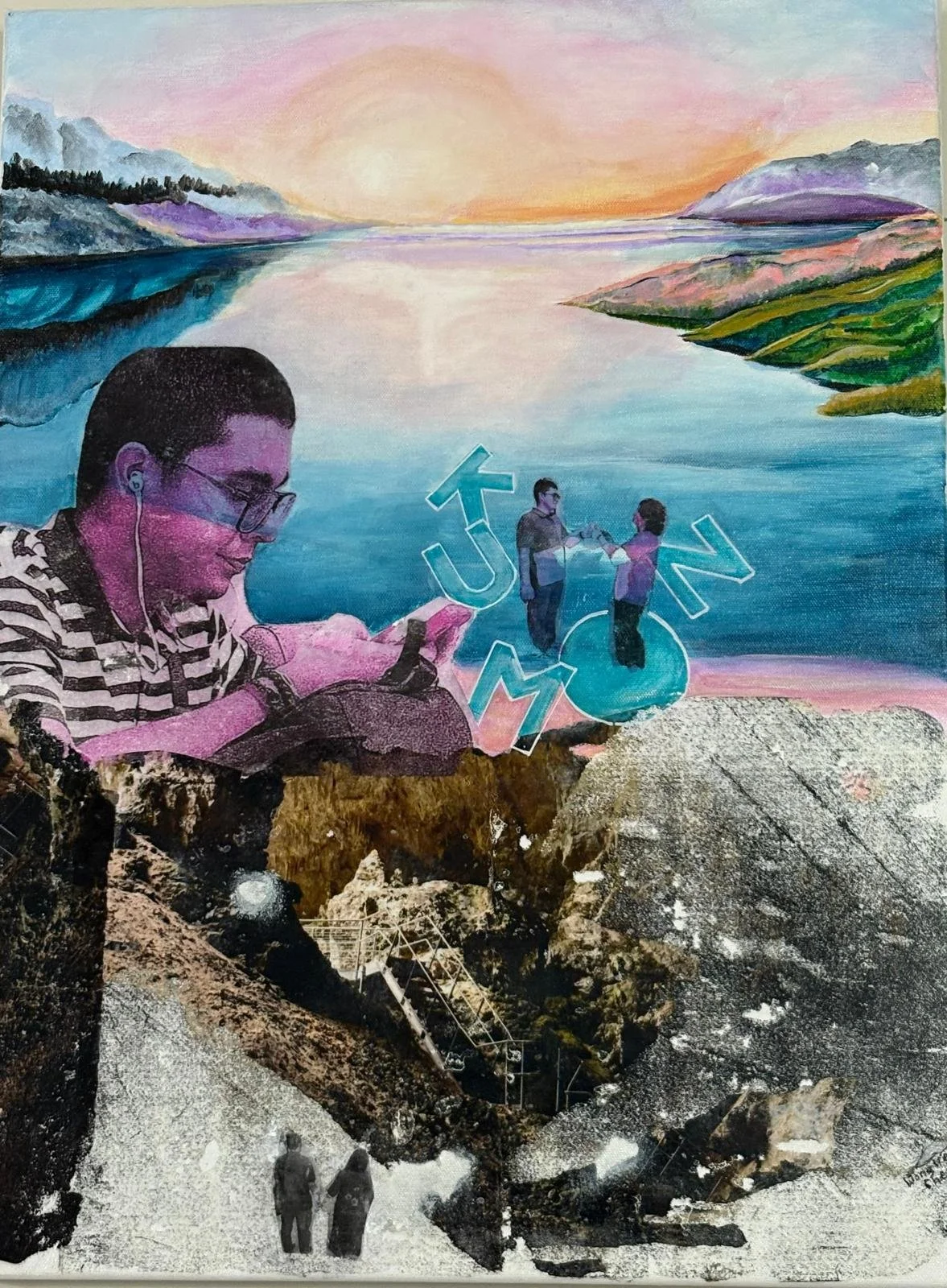
Caregiver: SHEELA RAMADASS
Artist: WONG KENG CHENG
My name is Sheela, and my son, Saidarshan—Sai—is my second child. He was diagnosed with Autism Spectrum Disorder at just two and a half years old.
When Sai was twelve, life threw us another challenge—I was diagnosed with a brain tumor. We moved to India for my treatment, and because it was Sai’s PSLE year, and he was not ready for that academic pressure, we decided to homeschool him. For five years, that was our world—just us, learning in our own rhythm.
When we returned to Singapore, I thought reintegration would be smoother. Instead, we were met with closed doors. During COVID, no school would take him—partly because he was homeschooled, but mostly because he had special needs. I contacted at least 20 learning centres, even offering to pay for materials without classes. Every time, the answer was “no.”
Then, one teacher at Kumon Balestier said “yes.” She saw his strengths, nurtured them, and gave him a chance. Sai thrived.
But this journey left me with a heavy truth—despite our progress as a nation, stigma is still real. Too many people decide a child’s worth without even meeting them. Sai was lucky. Many others are not.
ARTIST'S PERSPECTIVE ON THE PAINTING
Title: HOPE
Size: 60cm x 45cm
Medium: Acrylic on canvas
My work reflects the heartfelt journey of Sai and his parents as they confront the challenges of his condition and rise above them.
It is a journey of transformation — from darkness into light, from despair into hope. The visual metaphor is of either climbing a steep mountain or walking through a deep, shadowed cave — both symbols of struggle and uncertainty.
At the summit of the mountain, the first rays of a bright sunrise break through, or at the end of the cave, a radiant glow appears — both representing the moment when hope returns.
Within the scene, the silhouettes of mother and son, Sheela and Sai, are subtly present, their bond visible in every step forward. Sai is placed more prominently in the sunrise or light, symbolizing the bright future that emerges from perseverance and love.
The turning point in their journey came through the unexpected kindness and dedication of a KUMON teacher — a beacon in a time of rejection and closed doors. In tribute, “KUMON” is woven into the piece as a marker of gratitude.
Above all, the word that echoes through their story — and through this artwork — is HOPE. It is the light they carried through the darkness and the gift they now share with others.
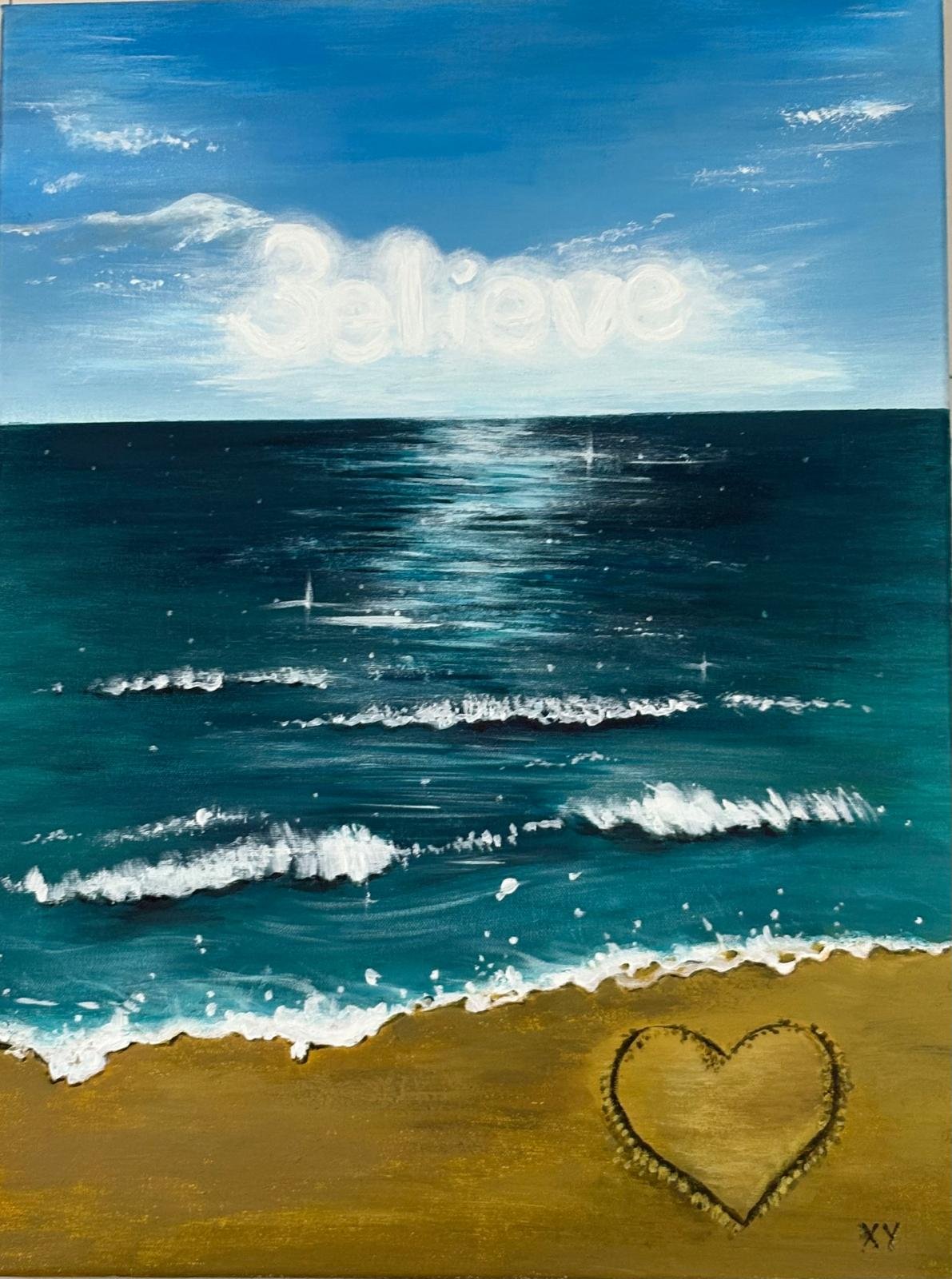
Caregiver: PUNIT Khanna
Artist: LIM SIEW YUEN
When I was a boy, I learned to cycle in a week.
When you were born, I dreamed we’d ride side by side—laughing, racing, free.
Then came your autism diagnosis. Our journey slowed, but our promise stayed: we’d give you every chance, in your own way, in your own time.
You loved your tricycle, but the big bike frightened you. I held you, ran beside you, whispered, “I’m here.” You fell, and for a while, you gave up. We began again—slower, steadier.
Then one ordinary picnic day, you vanished from sight. Panic—until we saw you, riding. No hands guiding you. Just you, pedalling alone, smiling wide.
Now we cycle across Singapore. You ride at your pace—slow, steady—and I match you. Each push of your pedals is worth more than any race I’ve won.
You’ve taught me: the greatest journeys aren’t measured in speed, but in love, courage, and the strength we carry along the way.
ARTIST'S PERSPECTIVE ON THE PAINTING
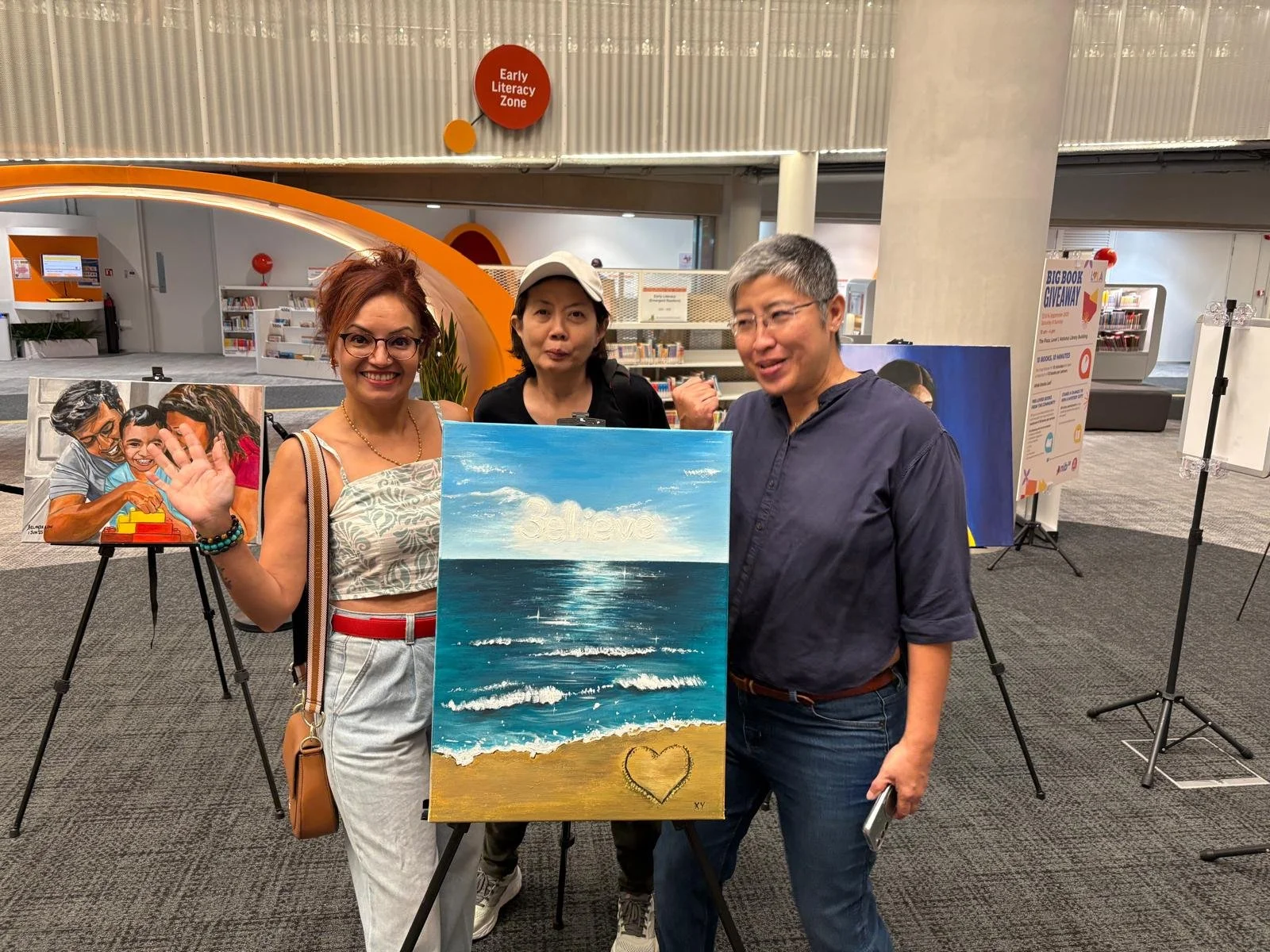
Title: Believe
Size: 60cm x 45cm
Medium: Acrylic on canvas
Just as I was revisiting my purpose as a creative professional, this opportunity came along to express hope for caregivers of autistic persons on a blank canvas. I had no prior experience with acrylic painting, and that uncertainty mirrored the journey of many caregivers — learning on the go, embracing the unknown, and doing their best with love as the only guide.
Inspired by Shubham’s simple question, “How do you find peace?”, I saw the painting process as a reflection of his parents’ journey. Each brushstroke reminded me of their quiet strength, raising a nonverbal child with grace, patience, and faith without knowing what the future holds. I devoured online tutorials to gain skills, yet I knew the sky might not blend smoothly, clouds might not take perfect shape, and the sand would be textured in its own way. And that was okay.
This painting became an act of courage. Just as Shubham faces his fears hiking downhill or crossing a passenger boarding bridge, I learned to push past my own. To let go of perfection. To trust the process. The sea may look blue to some but could be red or green to others. That is the beauty of neurodiversity. I hope Believe offers a small sense of peace to Shubham and his family. In moments of challenge, this painting is a gentle reminder: hope does not need clarity to be real. It just needs to be present.
Caregiver: BALAJI
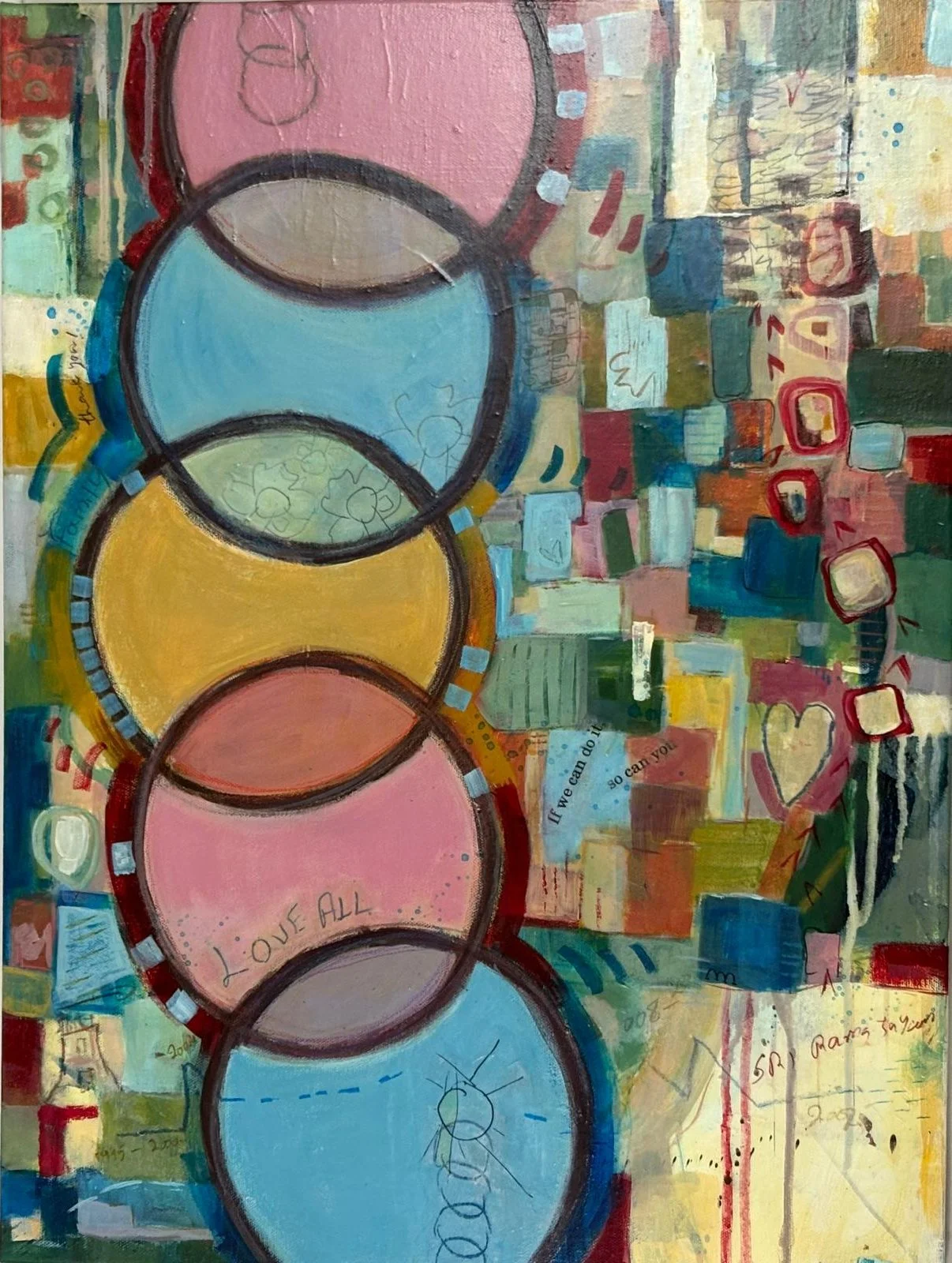
Artist: VIVIEN LEE
When I look back on this journey, what stands out most is the constant presence of love - even when the days felt impossibly hard. Being a father to a child with autism has meant showing up every day, often exhausted, but never giving up. The sleepless nights, the long bus rides, the silent prayers whispered in the dark—all of it has shaped me in ways I never expected.
There were moments filled with joy—like the simple smile of my child or the sparkle in their eyes during a favorite activity—that made every sacrifice worthwhile. But there were also moments of loneliness, when I felt judged by the world’s eyes, when whispers of pity and misunderstanding threatened to weigh us down.
What I’ve come to understand is that love is not just an emotion; it’s a commitment. It’s the strength to carry on through hardship, the courage to face each day with hope, and the grace to accept both the joys and challenges without losing faith.
I want others to know that while this path is not easy, it is filled with quiet victories and deep, unshakable bonds. And if sharing my story helps even one other family find strength, then it has been worth every moment.
This journey has taught me resilience, patience, and above all, the profound power of unconditional love.
ARTIST'S PERSPECTIVE ON THE PAINTING
Title: The Bond That Loves All
Size: 60cm x 45cm
Medium: Acrylic on canvas
This piece is inspired by the quiet strength and unwavering presence of a father’s love—a love that shows up day after day, through sleepless nights, endless sacrifices, and simple acts of care. The poem reflects the deep devotion that sustains a family, where love is not defined by ease but by the grace found in enduring commitment.
In creating this work, I sought to honor the humility and resilience that often go unnoticed—the daily, unspoken triumphs of caregiving. The light on his face is a symbol of hope and encouragement, a reminder that through love and faith, we find strength not only to endure but to inspire others.
This artwork calls us to recognize the sacredness in every act of care, urging us all to show up fully, to embrace vulnerability, and to love without conditions. It’s a tribute to the bonds that make us human and the quiet heroism found in everyday devotion.
Caregiver: MATHANA SUBHAS BALAN
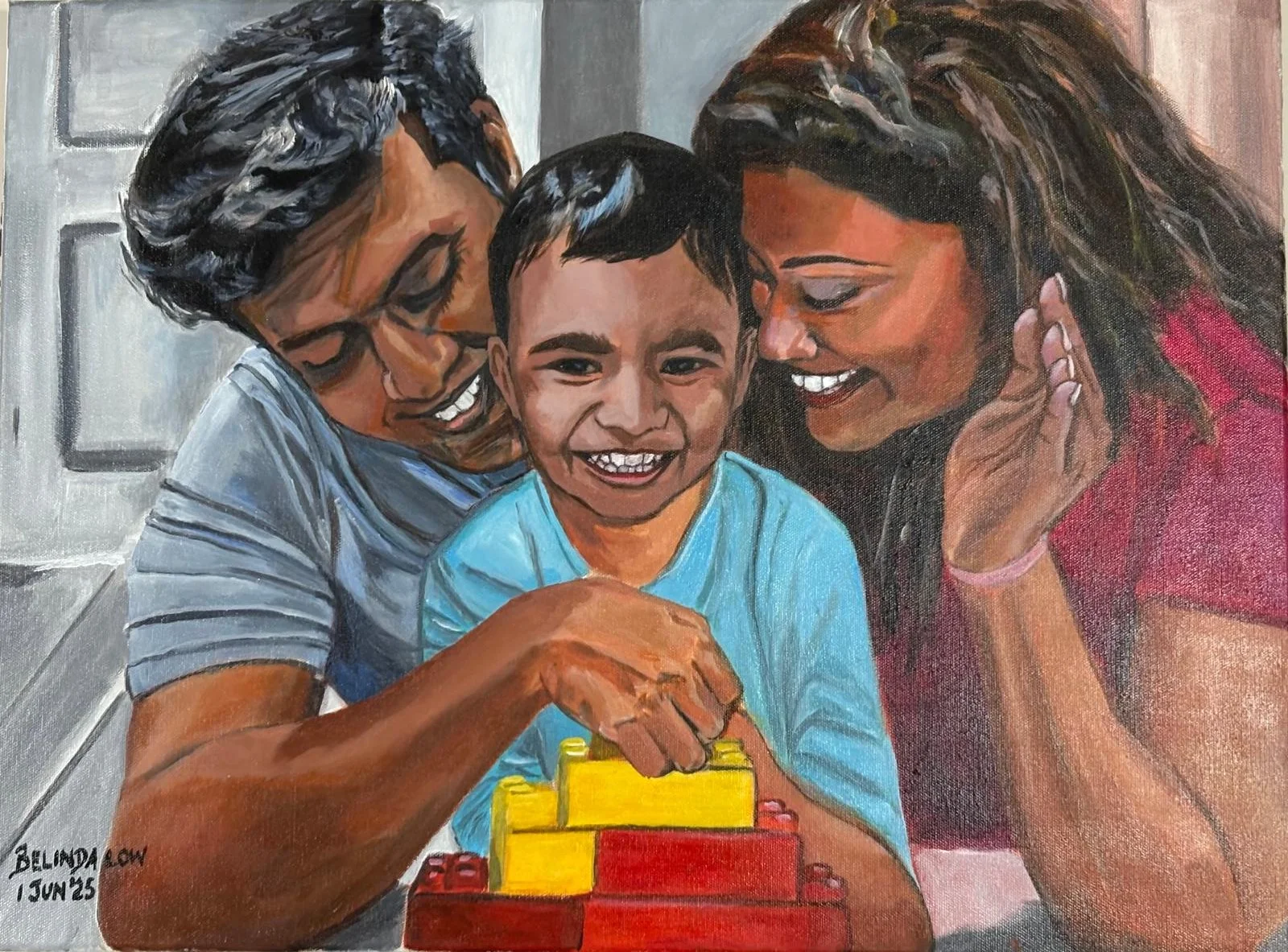
Artist: BELINDA
There’s a moment I will never forget. My son turned to my wife one afternoon, looked straight at her, and said, “Mommy.” Just one word. But in that second, it felt as if the world stood still.
We had waited so long. We’d watched him grow, learn, and experience life in his own way, always wondering when he might find the words to call out to us. And then, without warning, it happened. I saw my wife’s eyes fill with tears—not from sadness, but from the kind of joy that shakes you to your core.
Our boy has this beautiful habit of building with his toy blocks. To anyone else, they’re just blocks. But to him, they’re tiny worlds—places where his imagination takes shape, where order and creativity dance together. Watching him play, I see the way he connects with the world: not always in the ways we expect, but always in ways that matter.
When the artist came to meet us, I wondered how she could possibly capture this—the light our son carries, the bond we share, the quiet victories that mean everything. But somehow, she did. In The Heart of Us, she painted not just our faces, but our journey. She caught the warmth of that “Mommy” moment, the joy hidden in the ordinary, and the unspoken strength that holds us together.
If you look at that painting, you might just see a family smiling. But if you look closer, you’ll see love that has learned patience, resilience that has learned tenderness, and joy that has learned to grow in unexpected places. That’s our story. That’s us.
ARTIST'S PERSPECTIVE ON THE PAINTING
Title: The Heart of Us
Size: 60cm x 45cm
Medium: Acrylic on canvas
Title: “The Heart of Us”
This painting honors the quiet beauty and strength of a family bound by love, resilience, and joy. At its heart stands a child, framed by his smiling parents — a portrait of unity shaped by the unique light he brings into their lives. In front of him lies his favorite toy blocks, simple yet deeply personal, symbolizing his individuality and the world he builds in his way.
When the artist first met the family, the mother shared a memory that deeply moved her: the first time her son called out “Mommy.” That moment of recognition — pure and unexpected — inspired this work and lives in the warmth radiating from their shared connection.
More than a family portrait, The Heart of Us is a quiet celebration of difference, of love expressed in many forms, and of the deep joy that can be found in unexpected places. It is the artist’s hope that this piece brings viewers a sense of awareness, compassion, and positive reflection on the beauty of life with a child with special needs.
Caregiver: GAYATHRI
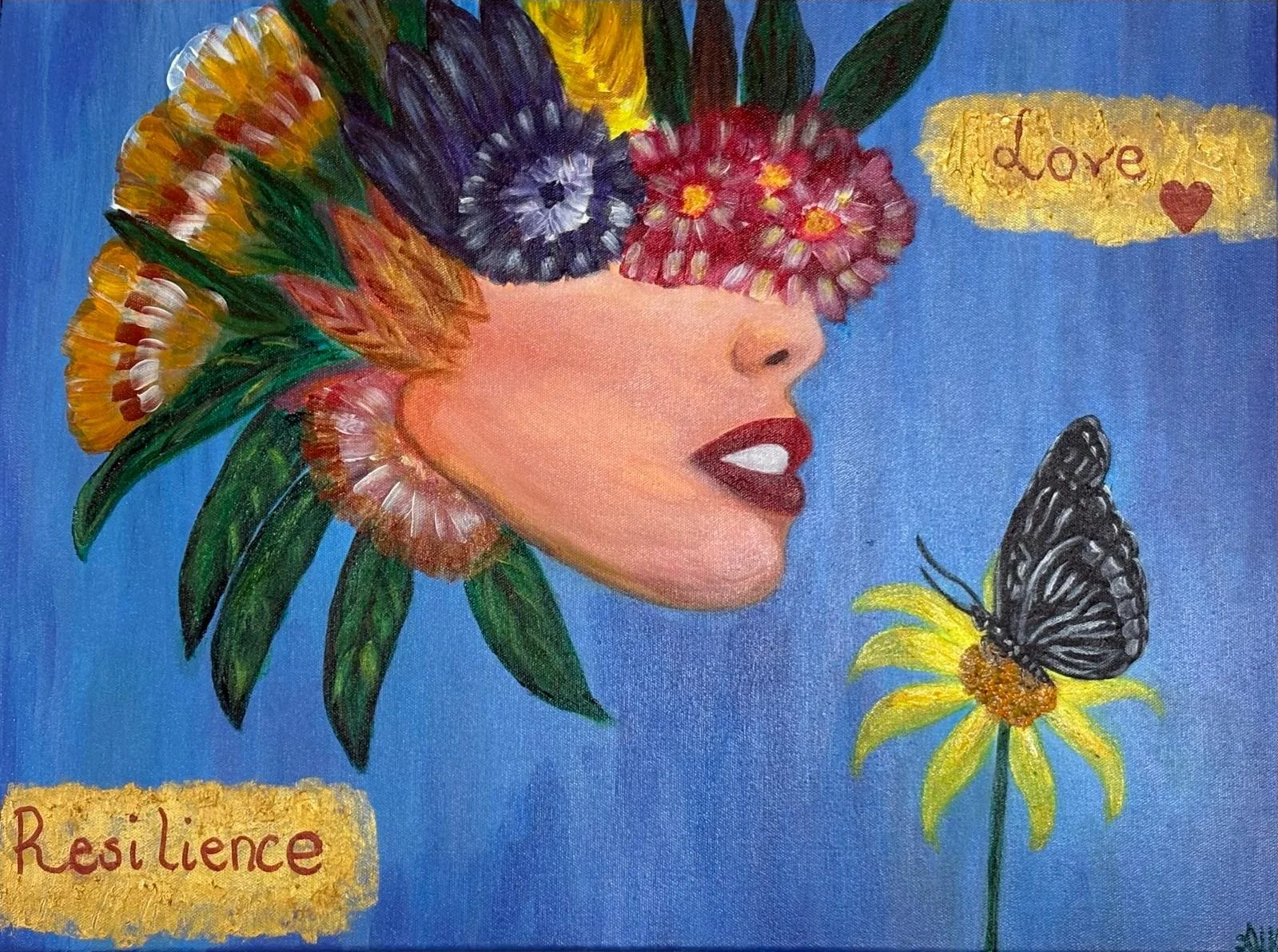
Artist: ALKA CHANDIRAMANI
Paavam (“Poor thing”)
Growing up, I didn’t understand the invisible burden my mother carried caring for my sister Kavitha, whose autism made her different in the eyes of the world. The whispered judgments and pity—Paavam—followed us everywhere.
But over time, we stopped shrinking away. My mother chose to walk proudly with Kavitha through the world, discovering joy in simple moments like bus rides and window shopping.
Paavam was never about pity—it was about learning to see Kavitha’s strength, beauty, and the love that defines her.
ARTIST'S PERSPECTIVE ON THE PAINTING
Title:The Unwavering Vibrance
Size: 60cm x 45cm
Medium: Acrylic on canvas
I volunteered because Kavitha’s story challenges the rigid expectations of “normal” that society holds. Her sister’s words deeply moved me—“Paavam is no longer a shadow that looms over us; it is a narrative reminding us of the strength found in love, resilience, and acceptance.” These powerful sentiments guided me as I brought the painting to life.
Life is about reframing the stories we tell ourselves and the labels we assign. The vibrant colors represent the permission we give ourselves to reset our mindset amid life’s challenges. Intense emotions can feel overwhelming, and our instinct is often to suppress or avoid them. Kavitha’s journey, however, invites us to open the door gently—to welcome emotions with compassion and non-judgment. It’s about holding those feelings tenderly through every experience. When viewed with calm objectivity, what once seemed like a flaw transforms into resilience. Like the ocean’s ebb and flow, this steady acceptance amidst life’s trials is a path toward true awakening.
Caregiver: Quiet Love
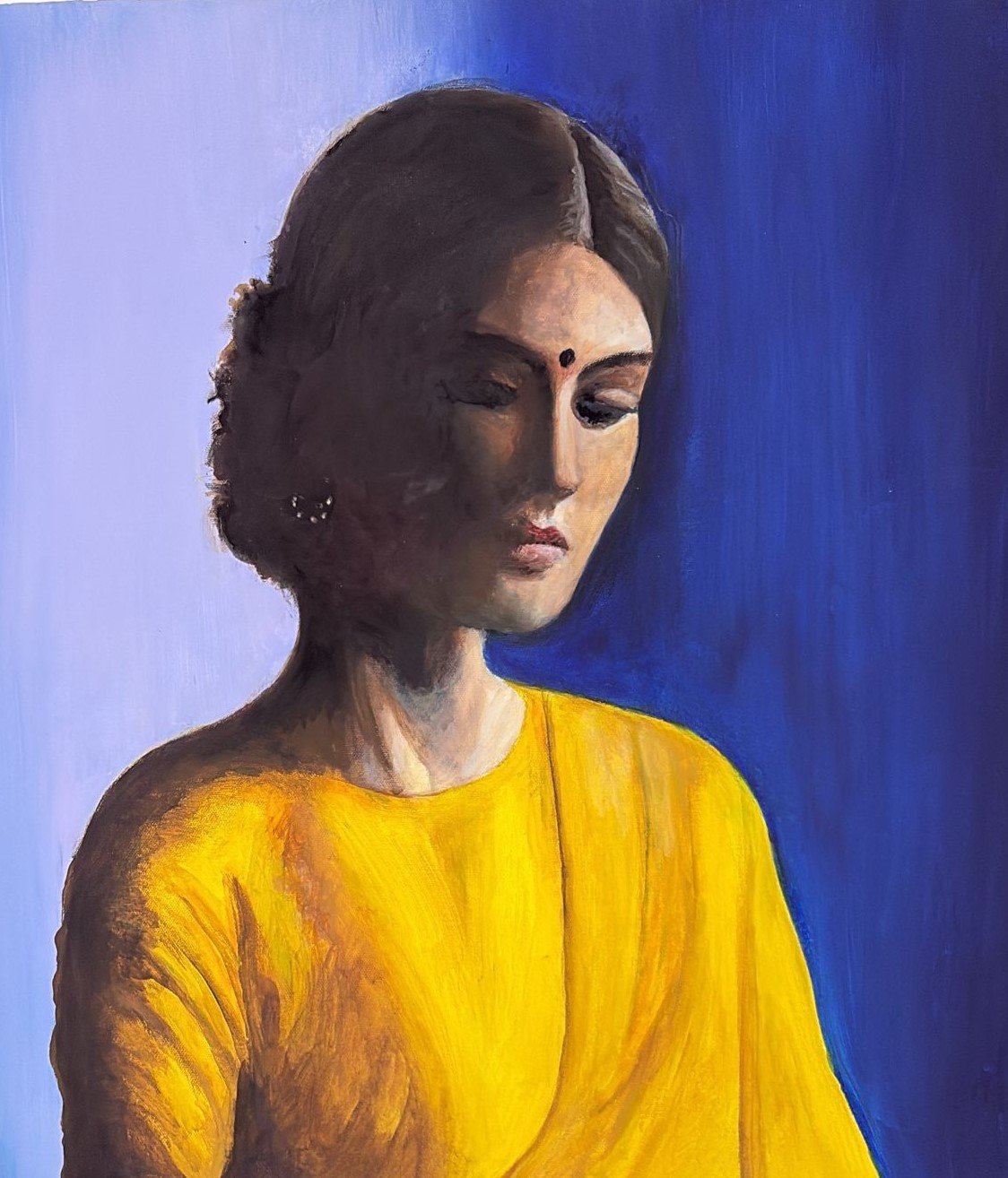
Artist: Sophia Yong
This painting speaks deeply to my journey as a caregiver.
Like the woman in the mustard yellow saree, I often find myself standing between shadow and light. There are days when the weight of caregiving feels overwhelming—filled with uncertainty, exhaustion, and silent struggles that few truly understand. Caring for a loved one with autism is a journey of deep love, but it also comes with sacrifices that are often unseen.
Many times, I carry my emotions quietly. Behind a calm exterior lies a heart filled with worries, hopes, and unanswered questions. There are moments when I long for someone to truly listen—not to judge, not to offer quick solutions, but simply to understand. Yet, because of family responsibilities, societal expectations, and the stigma surrounding autism, I often keep my struggles within.
This silence can feel isolating. While others may only see strength, they do not always see the vulnerability, the tears shed in private, or the emotional battles fought daily. But despite the challenges, love continues to be my anchor.
Caregiving has taught me endurance, patience, and resilience. It has shown me that love is not always loud or visible. Sometimes, love is found in quiet sacrifices, in showing up every day, and in choosing to care even when the journey feels difficult.
This painting reflects the hidden reality of many caregivers—a story of silent strength, deep love, and unwavering commitment. Though much of our journey happens in the shadows, we continue to move toward the light, carrying hope that one day our stories will be heard, understood, and embraced with compassion.
ARTIST'S PERSPECTIVE ON THE PAINTING
Title: Quiet Love
Size: 60cm x 45cm
Medium: Acrylic on canvas
The painting depicts a woman draped in a mustard yellow saree, standing in a soft, shadowed light. Her expression is thoughtful and subdued, revealing a deep inner world, seemingly burdened with emotion yet poised with grace, for the most part, she is in the shadow but also emerging to the light.
This painting hopes to captures the essence of a caregiver, one who shoulders the quiet and often invisible responsibility of caring for a family member with autism. Her stance conveys a duality: the strength required to manage daily challenges and the vulnerability of someone who carries this burden largely unseen by society. The dim lighting reflects the isolation she feels, particularly in her inability to share her struggles with others—whether due to family expectations, societal stigma, or her personal reservations.
Her head slightly tilted, suggest a yearning for connection and be listened to, but her downcast eyes and the serenity of her posture reveal the internalization of her emotions. She represents the often-unspoken pain of caregivers who love deeply but find themselves confined by societal expectations and norms, unable to openly express their reality. The painting tells a story of love, endurance, and the quiet sacrifices made in the shadows of family obligations, a story waiting to be heard.
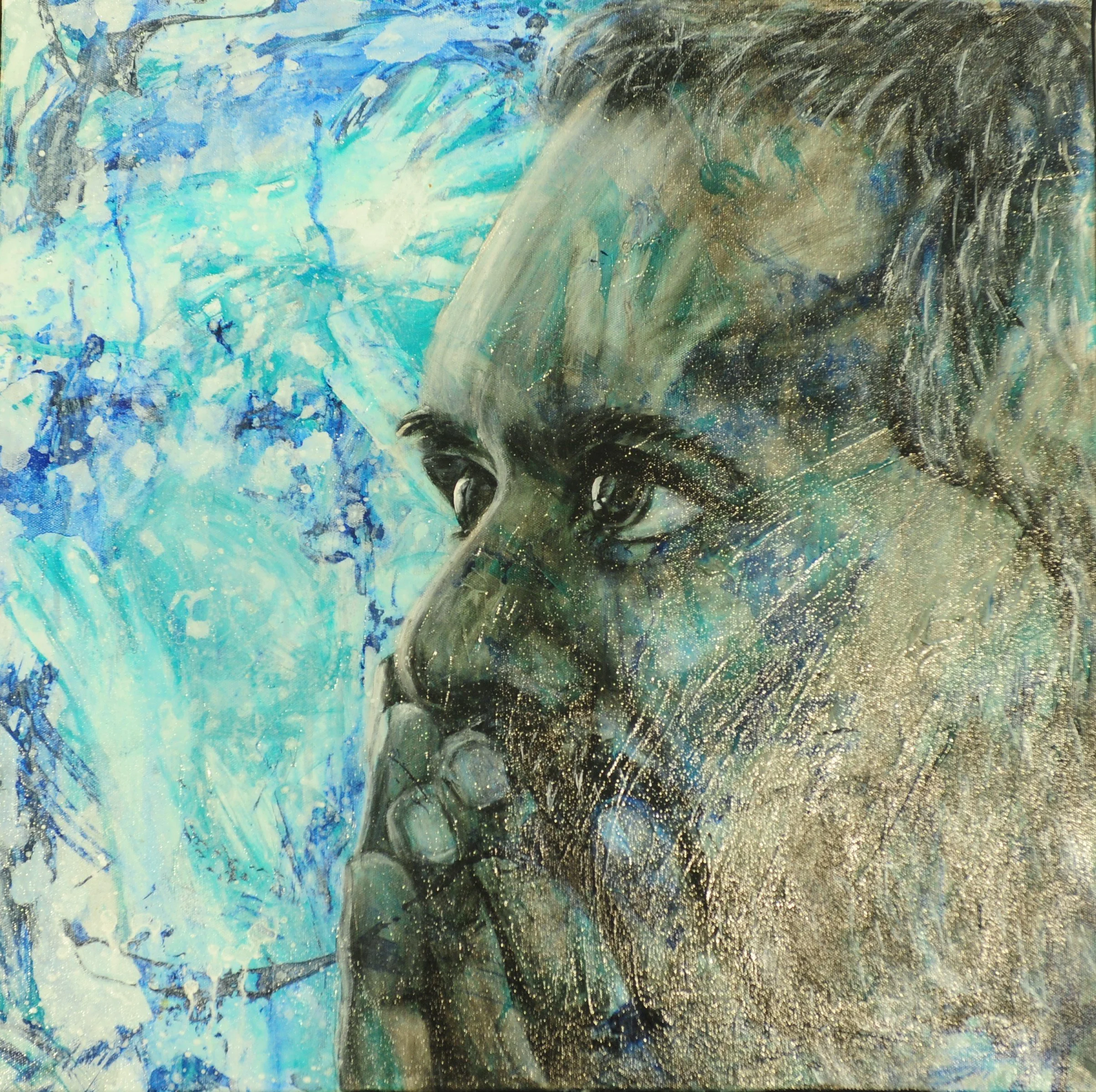
Caregiver: Rajendran K S
Artist: Jessie Hao
"Whenever I reflect on my role as a caregiver, it evokes a profound sense of sadness within me. In my fifties, I find myself contemplating my son’s future. The thoughts of who should care for my son weigh heavily on my mind. Without me and my wife, will my son be able to navigate the challenges imposed by life?
As a Hindu, it is customary for the male heir to perform his parents’ last rites. Yet, my son experiences sensory issues and may struggle to perform my last rites. The thought of it fills me with sadness. It is a reality that I must gradually come to terms with.
Uncertainties hover around my thoughts. Yet, I cling to hope that he will overcome his challenges, that my son will achieve independence eventually so that my wife and I need not worry for him until our deathbed."
ARTIST'S PERSPECTIVE ON THE PAINTING
Title: A Father
Size: 60cm x 60cm
Medium: Acrylic on canvas
This evocative portrait captures the profound essence of a father as the primary caregiver of an autistic child. The background, with blue and black hues resembling struggling figures, symbolizes the emotional turmoil of his journey. Amidst this, his expression radiates resilience and determination, fueled by unwavering love despite grappling with hardship. The artwork transcends the individual, calling attention to the emotional toll on families affected by autism. It challenges viewers to empathize with caregivers' silent strength and advocates for greater societal support. Through this piece, the artist urges community solidarity in supporting families navigating similar challenges, emphasizing the need for understanding and empathy.
Moments that Inspired Change
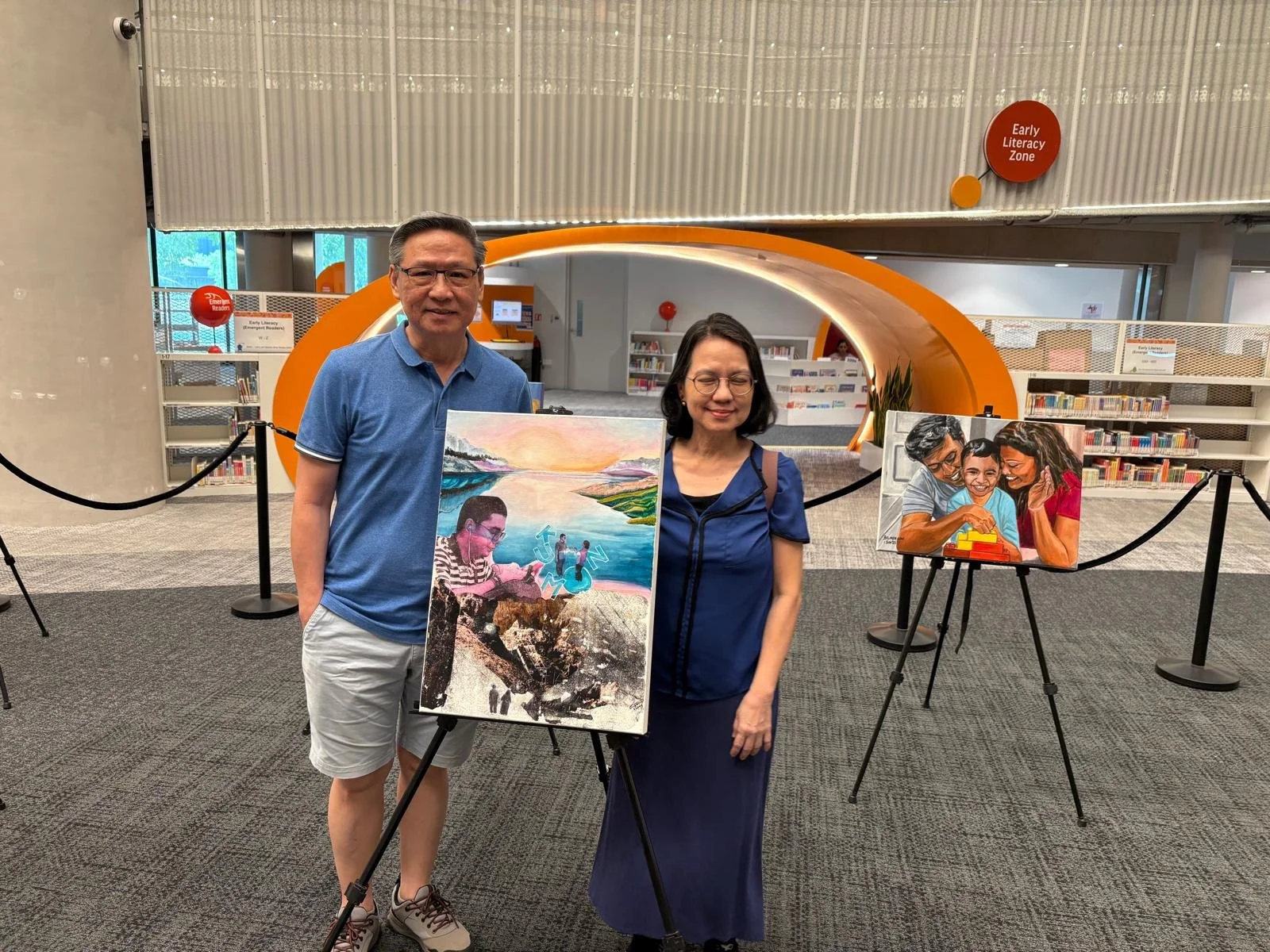
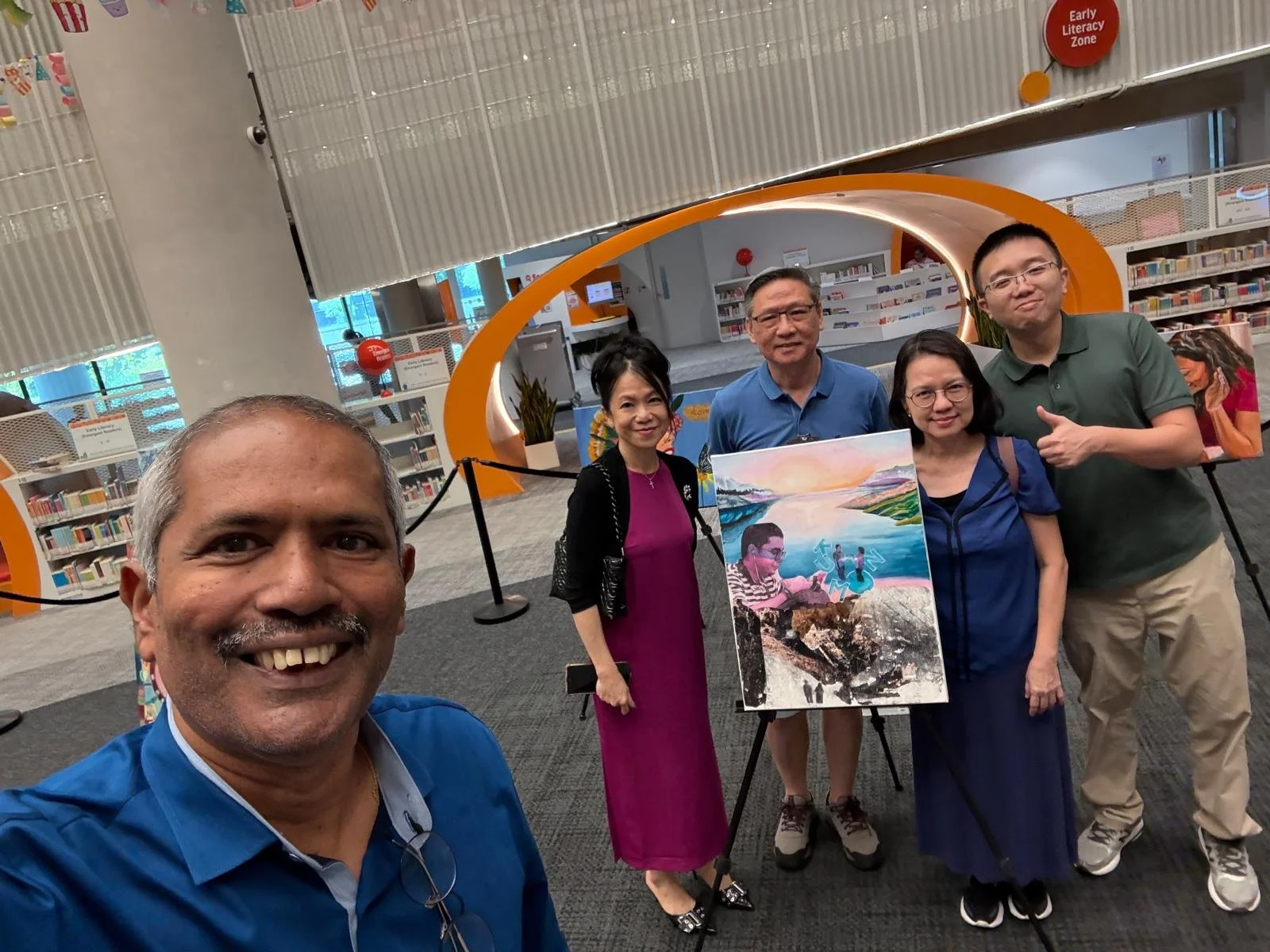
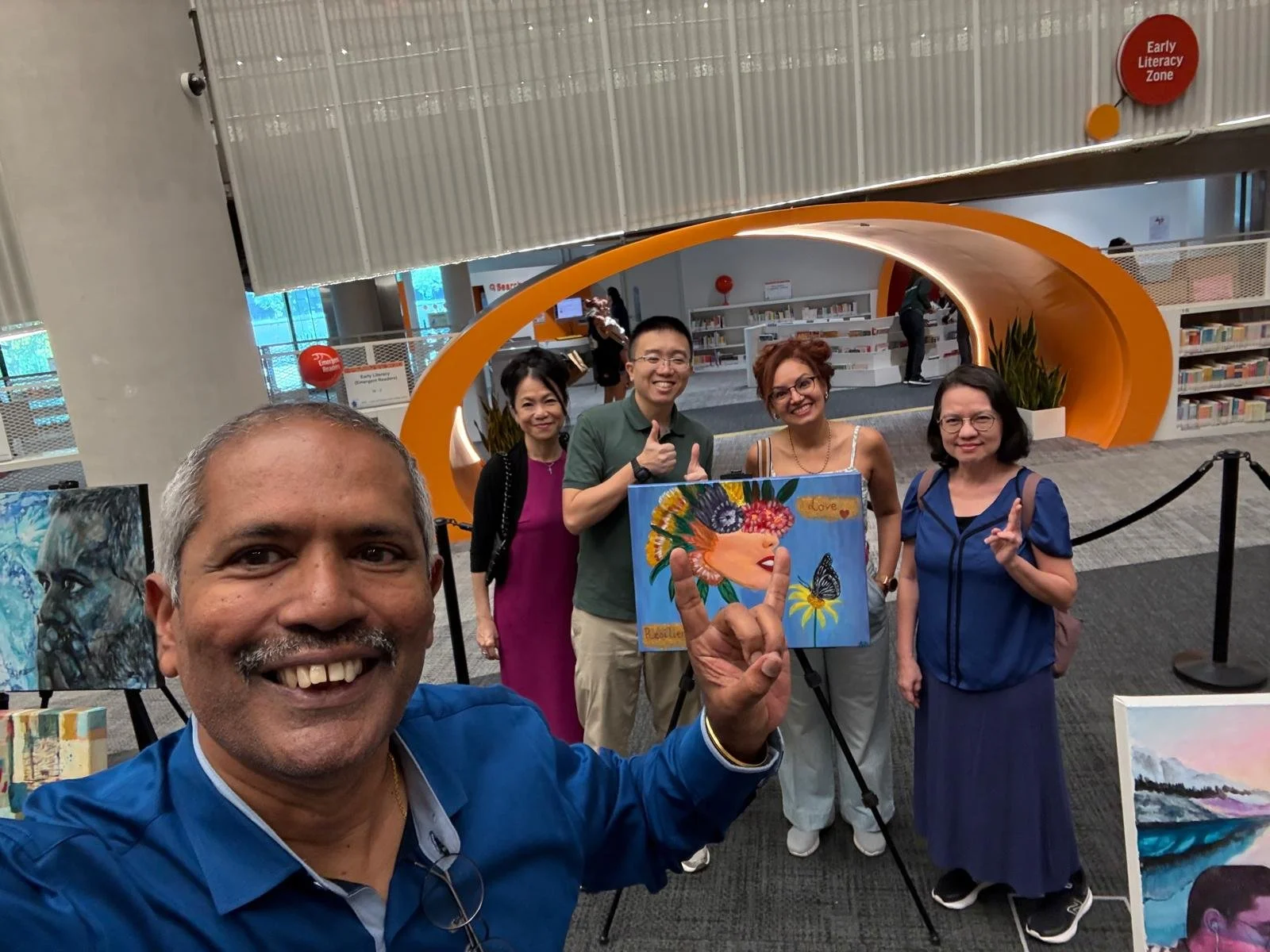
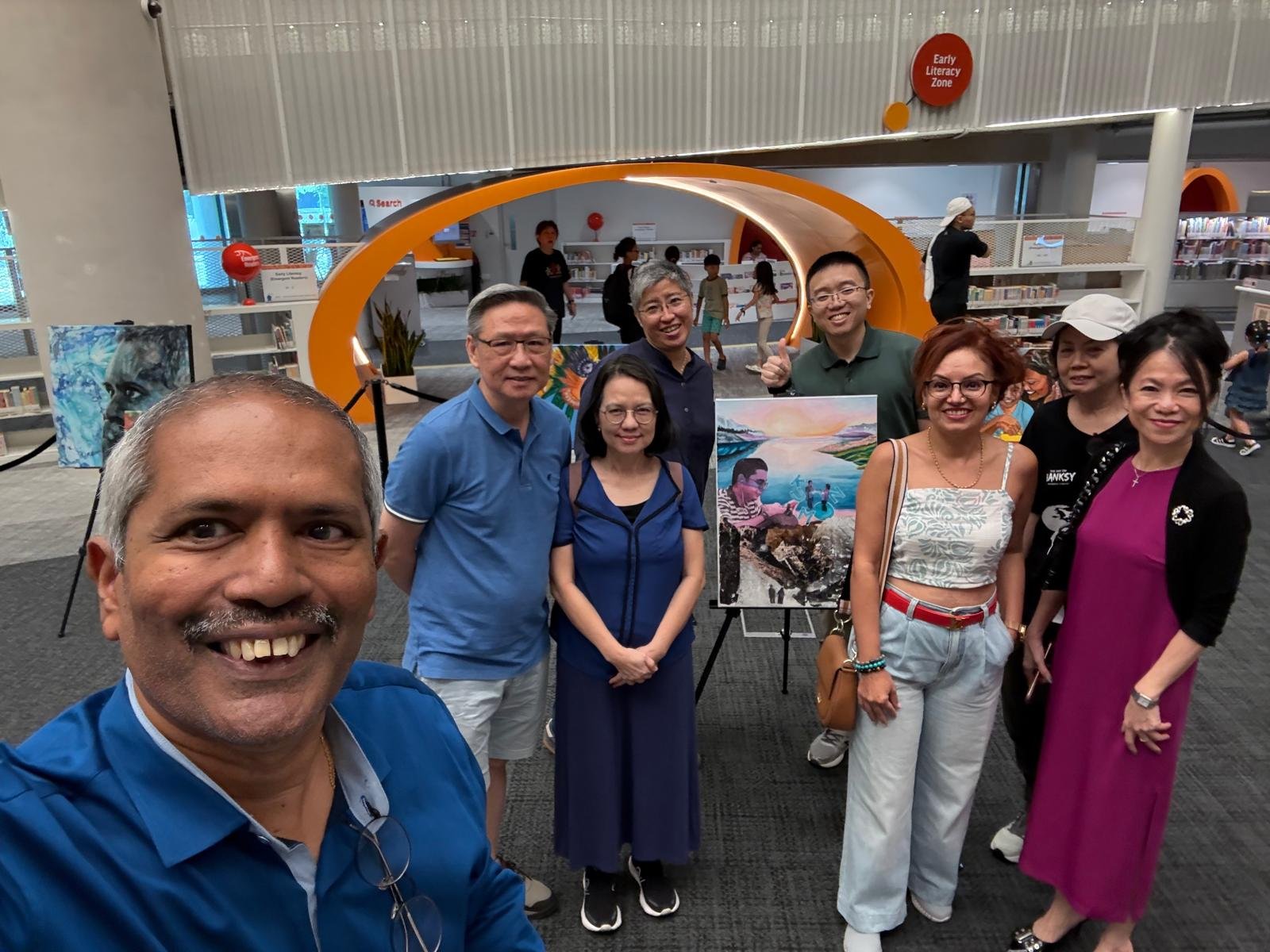
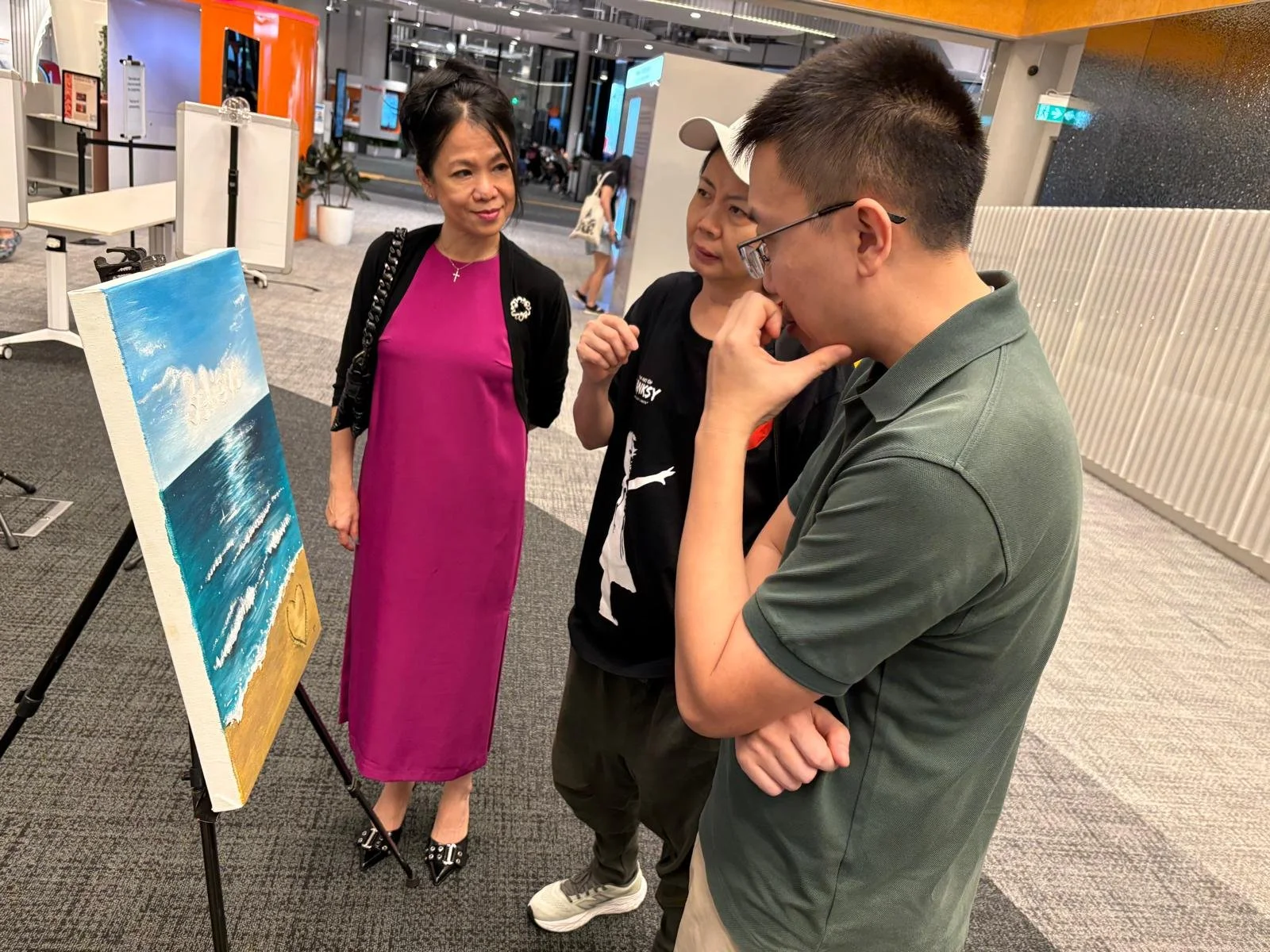
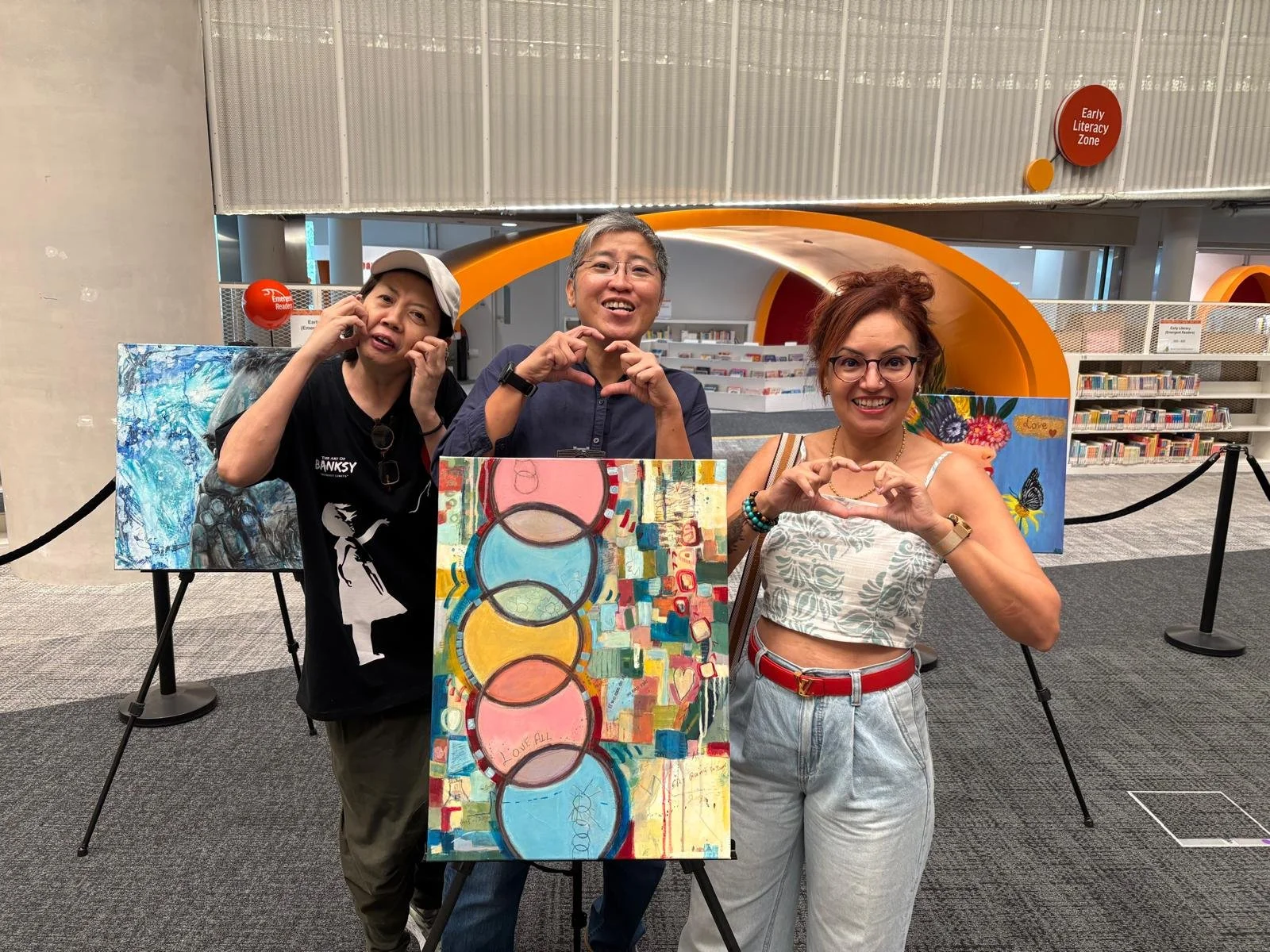
Every photo and video captured reflects the heart of ASIRVATHAM—moments of connection, courage, and shared understanding. From heartfelt conversations to meaningful interactions, these moments tell a powerful story of awareness, empathy, and inclusion.
Through these memories, the voices of caregivers, artists, and the community continue to inspire conversations and create lasting impact beyond the exhibition.
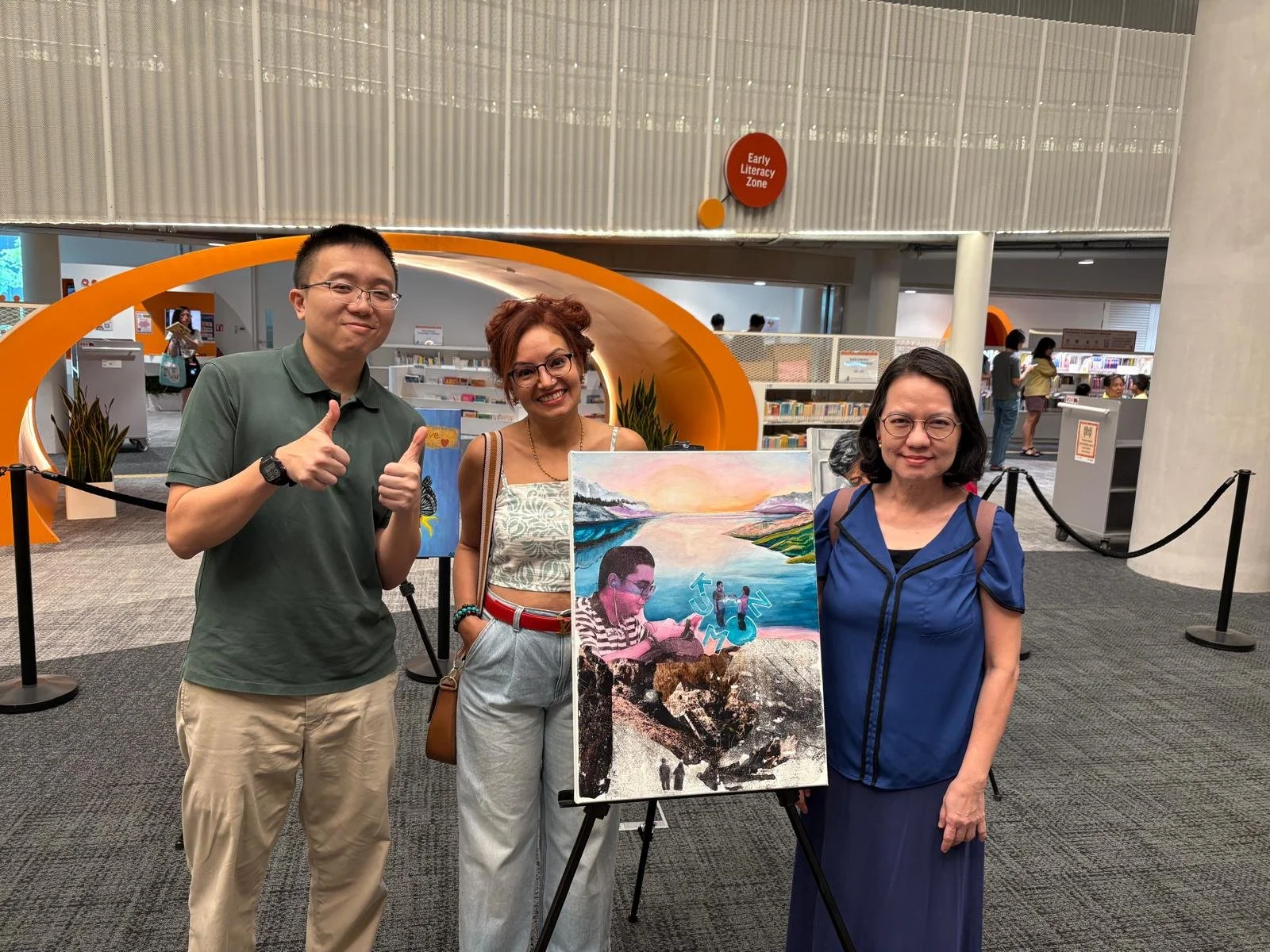
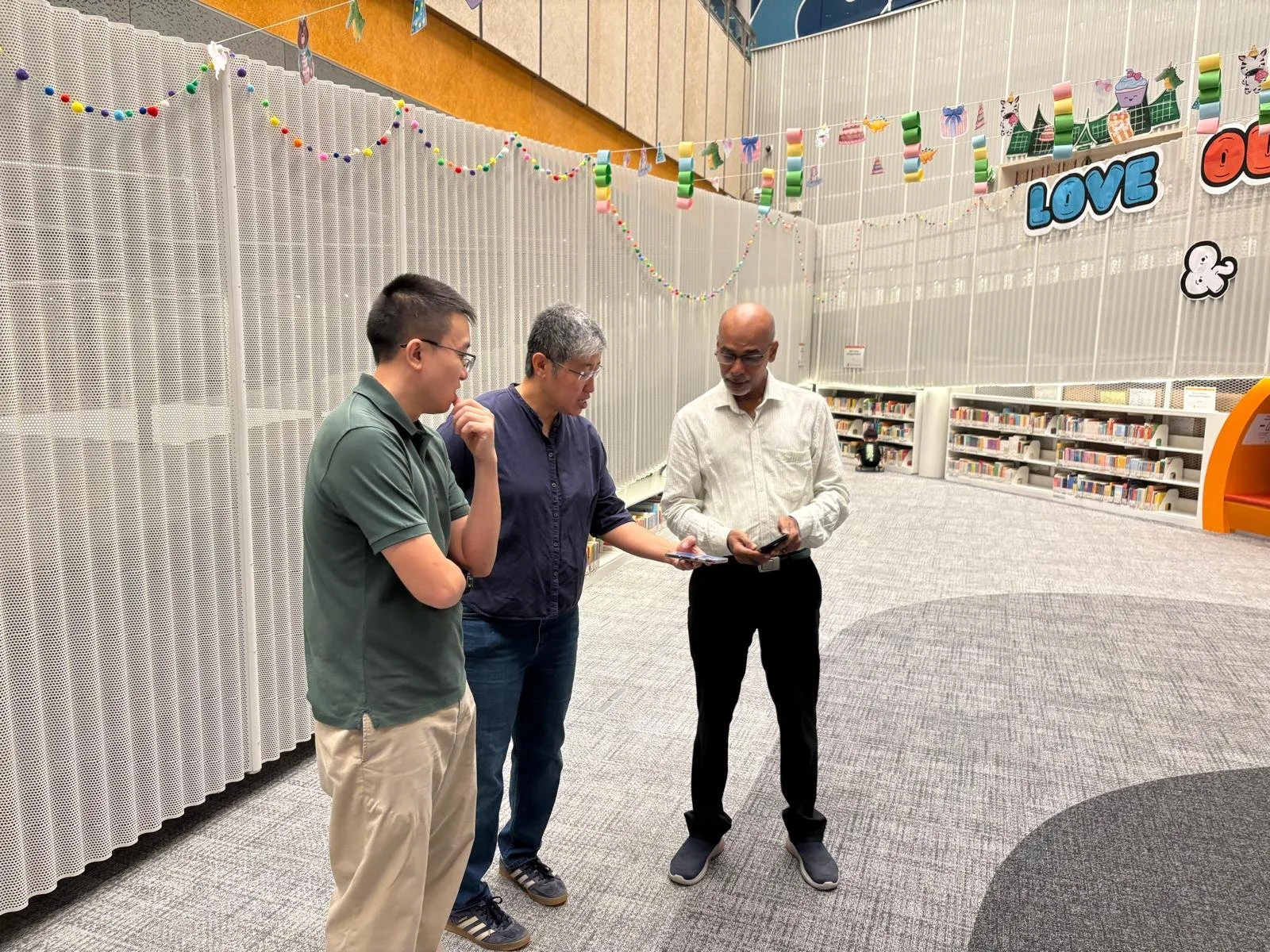
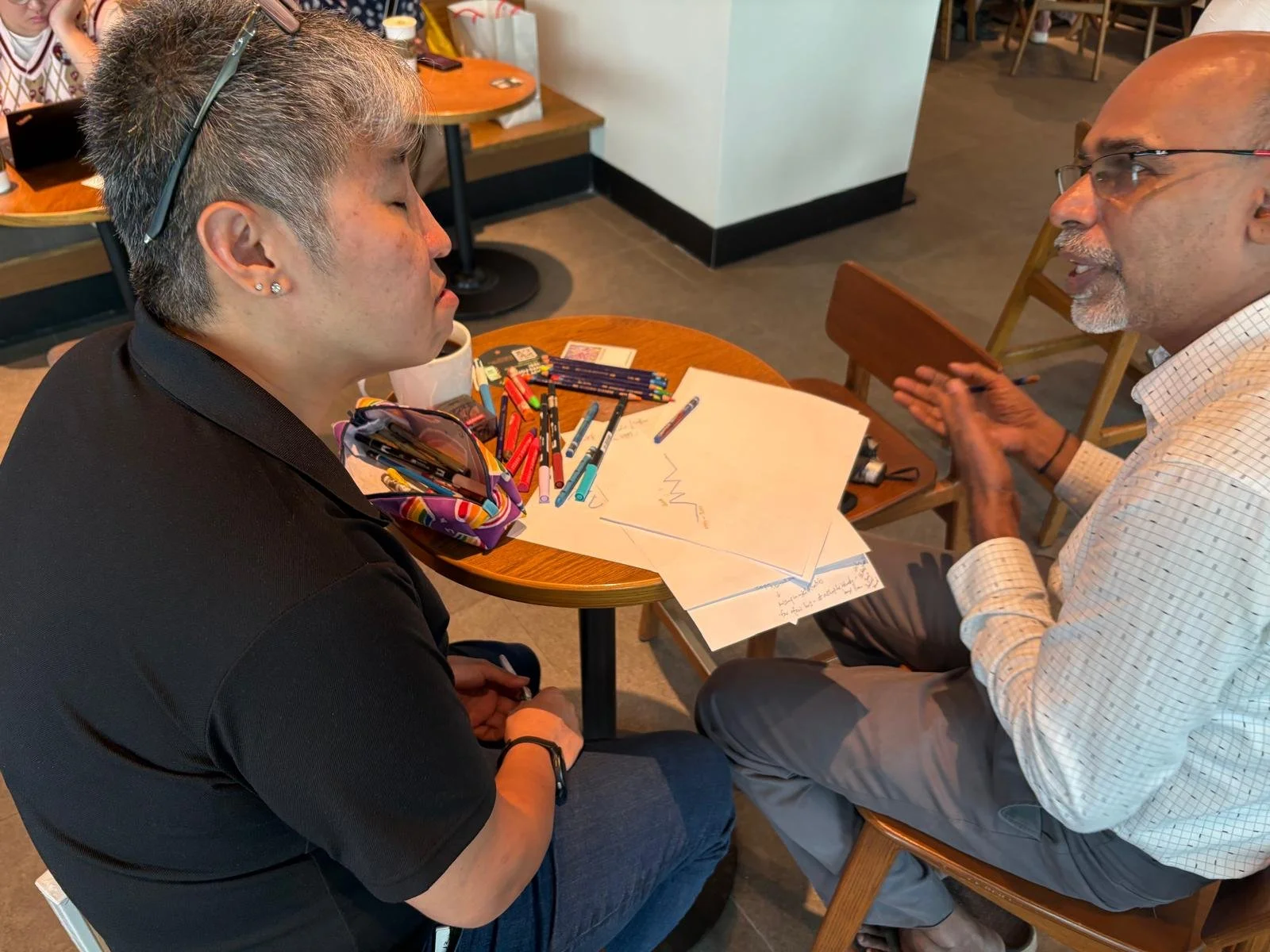
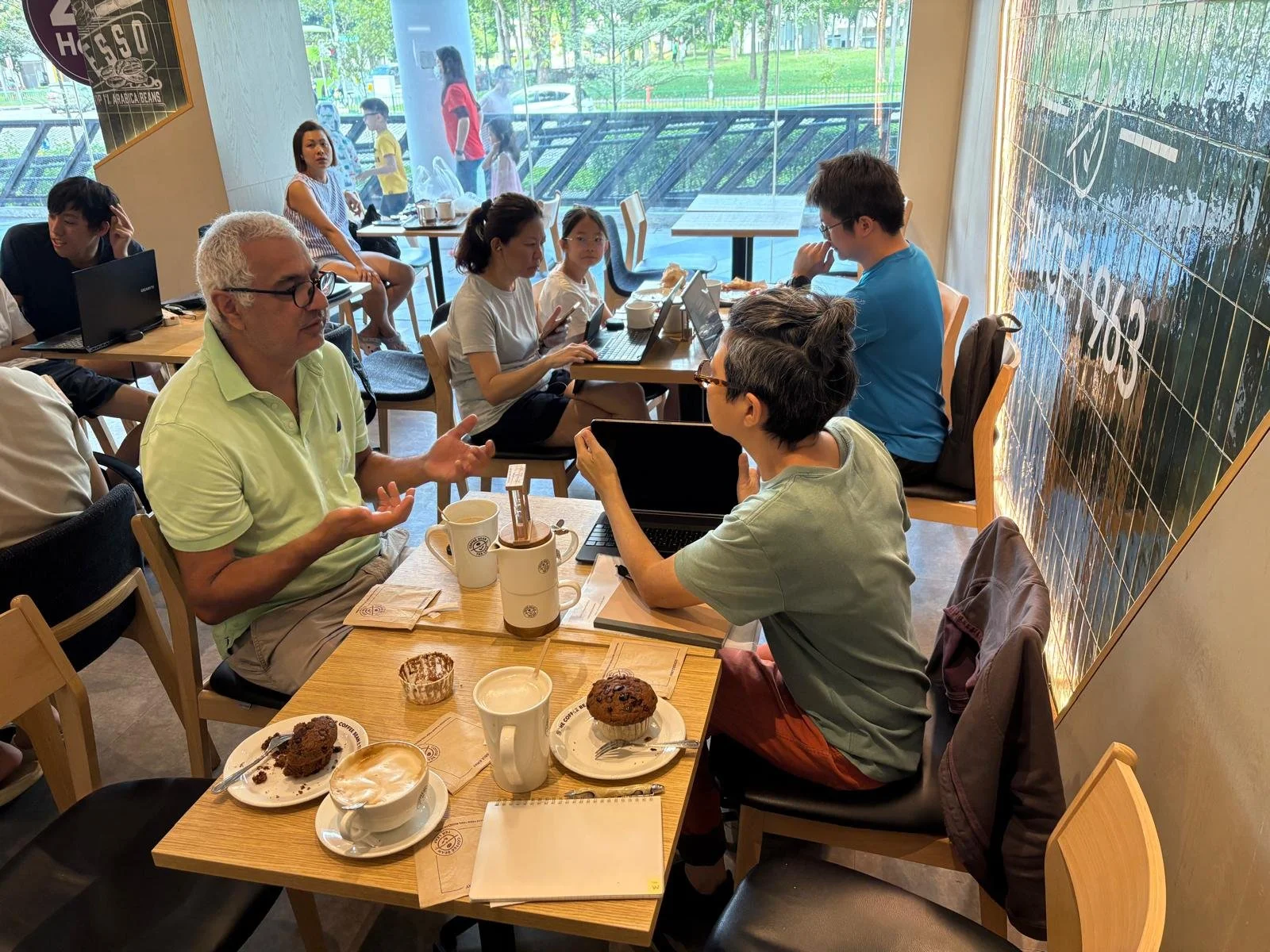
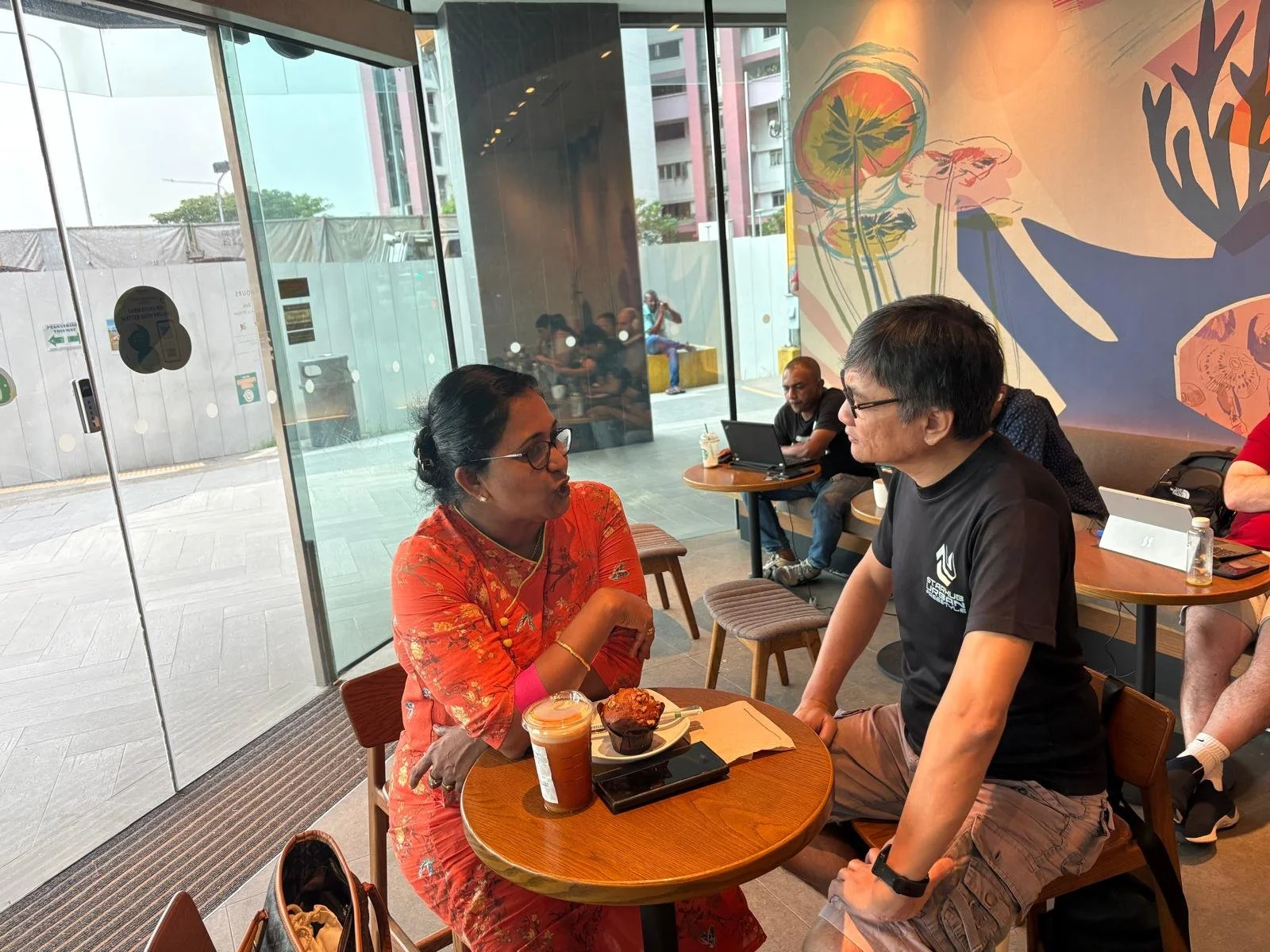
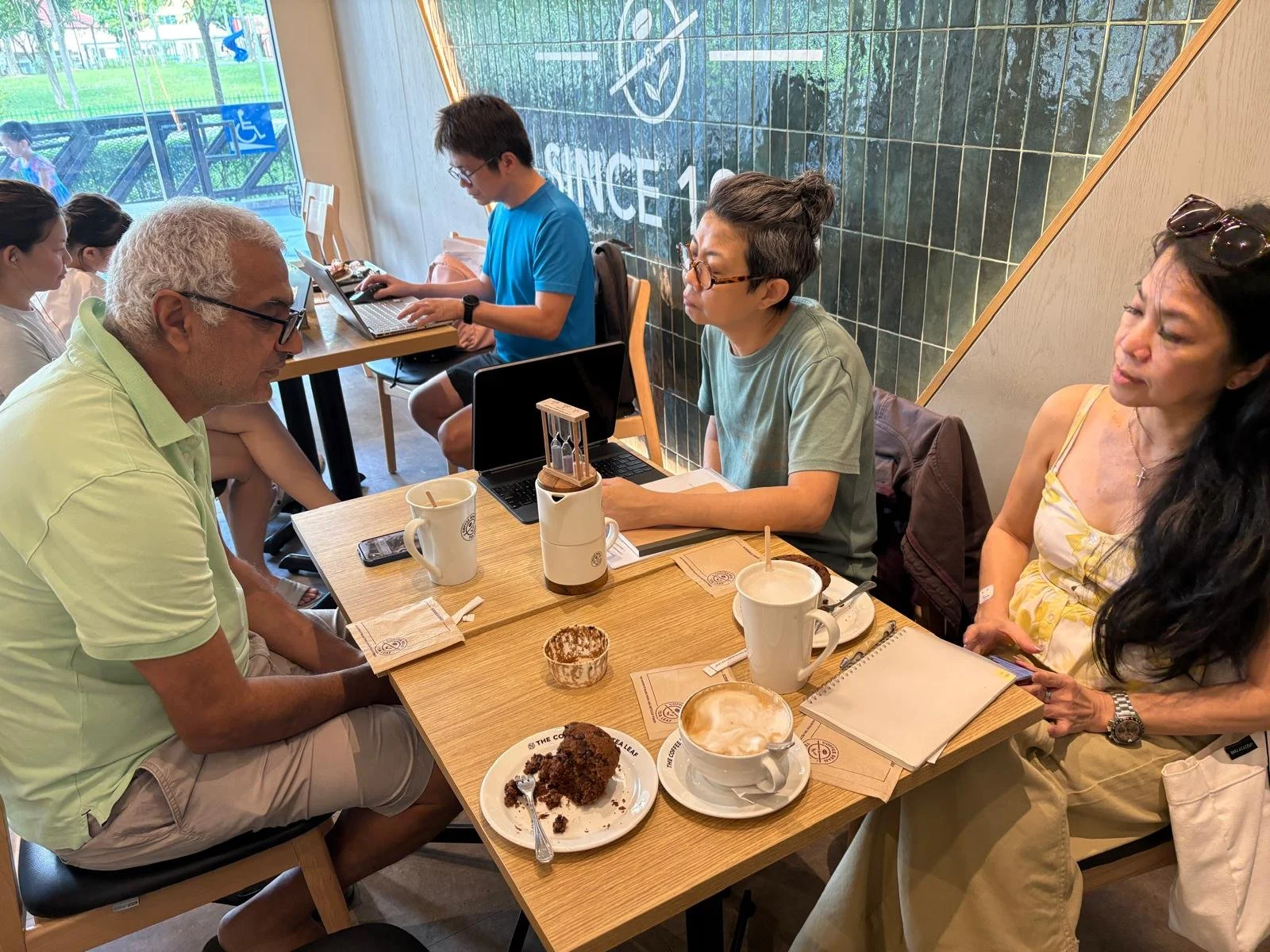
When Caregivers and Artists Connect
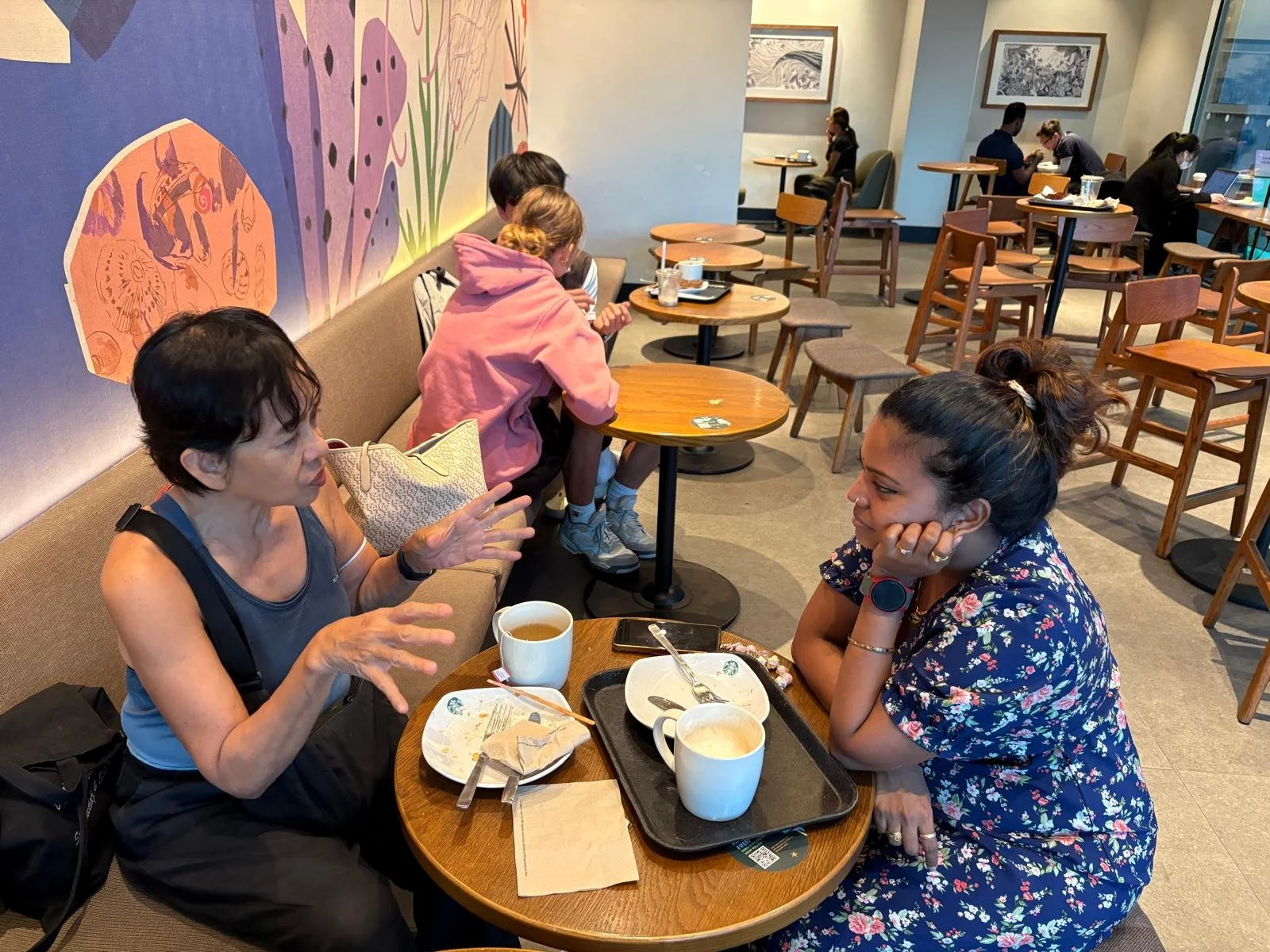
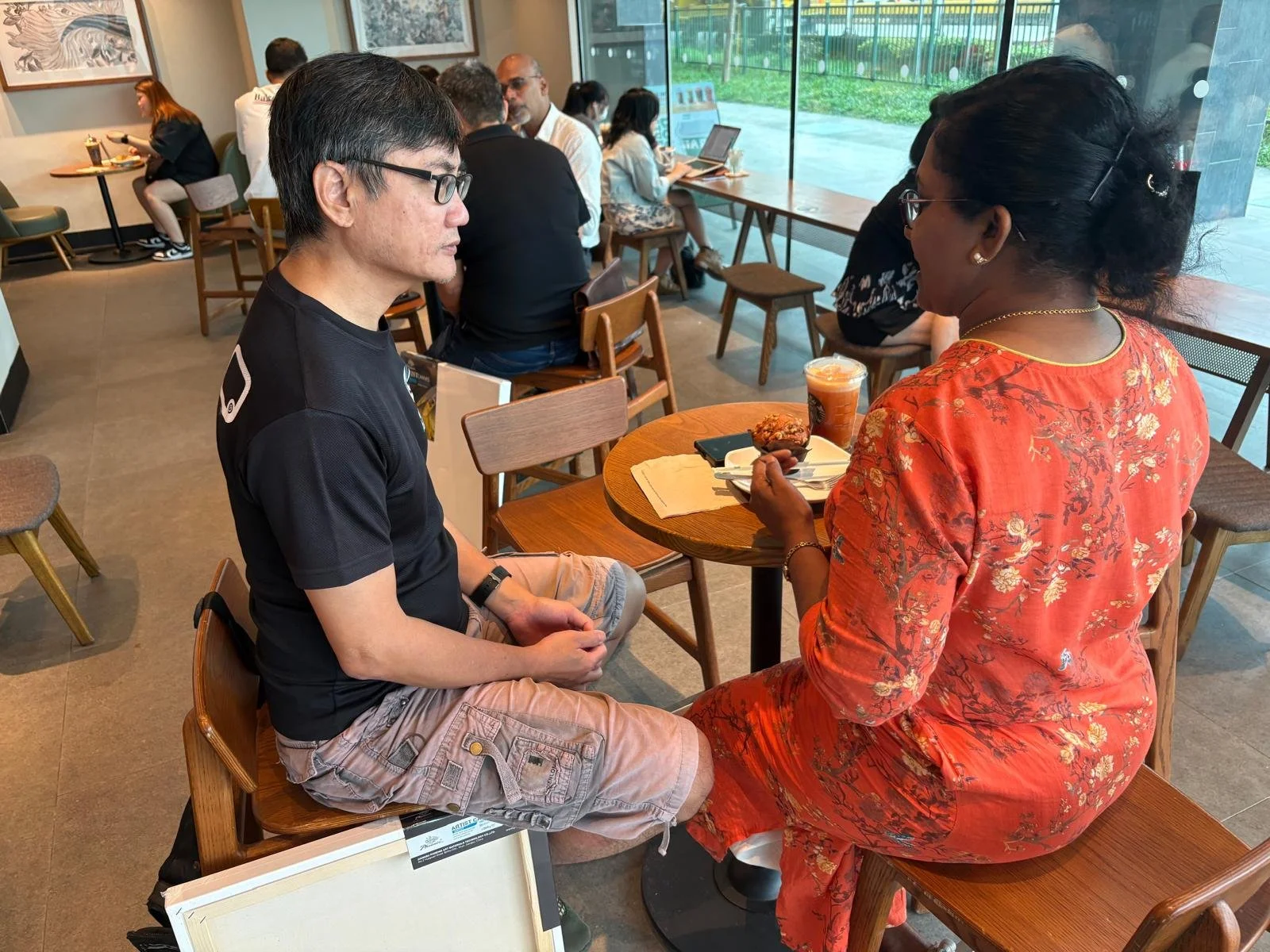
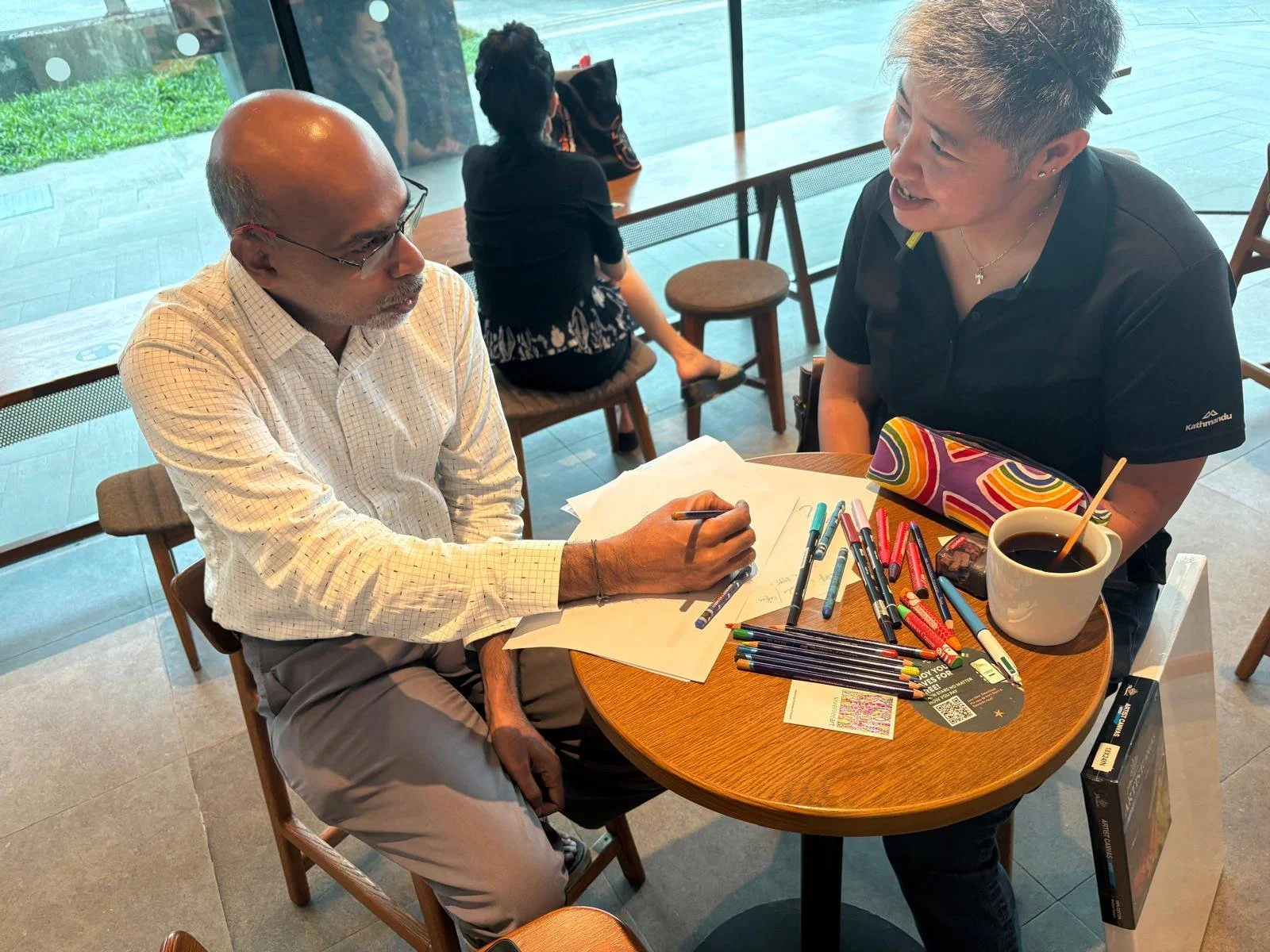
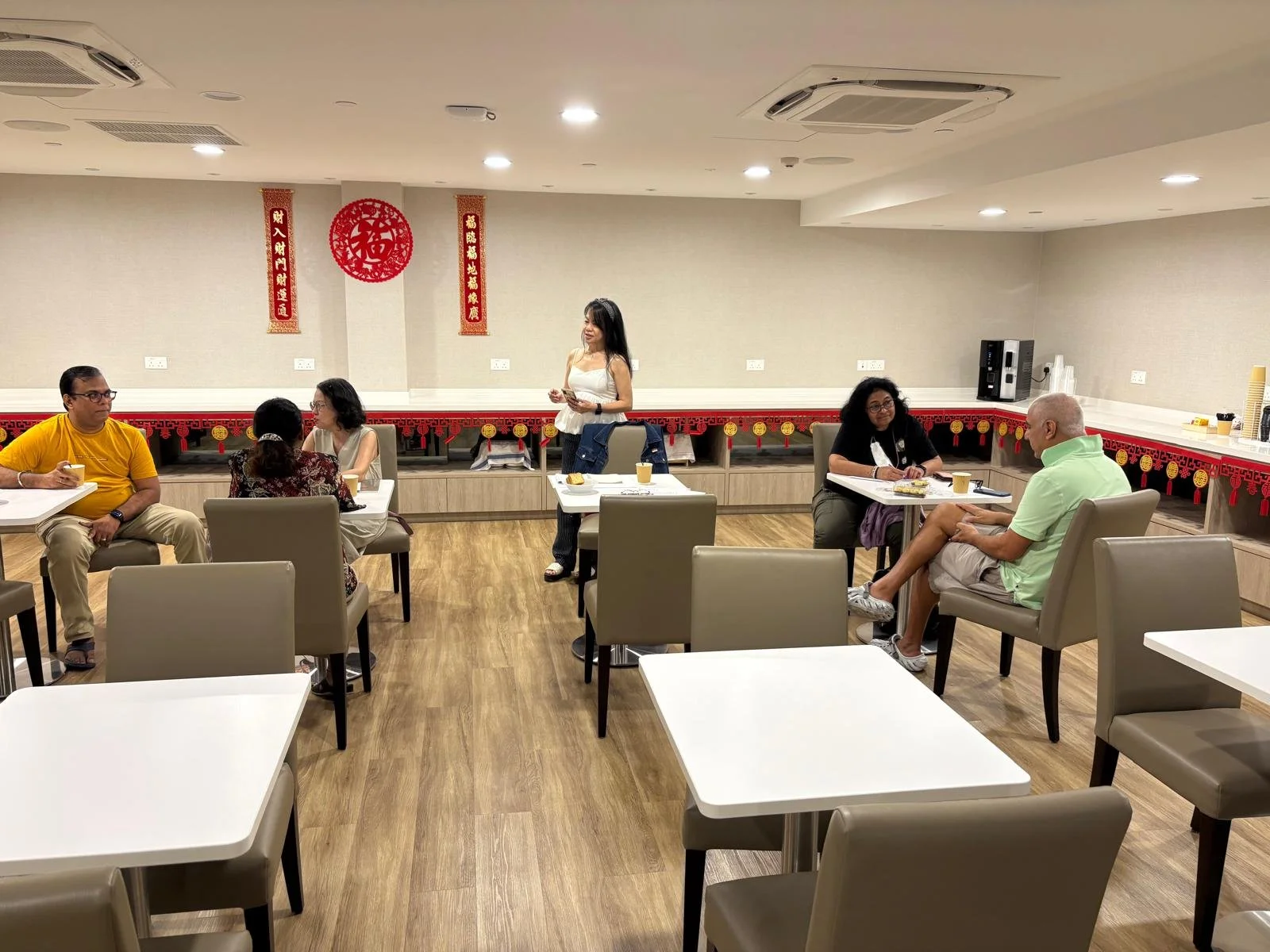
The ASIRVATHAM journey began with meaningful gatherings where caregivers and artists came together in a safe and heartfelt space. Through open conversations, caregivers shared deeply personal stories of love, sacrifice, challenges, and resilience in caring for loved ones with autism.
These interactions became powerful moments of connection, understanding, and empathy. As artists listened, they gained deeper insight into the emotional realities behind each caregiving journey. These shared experiences became the inspiration behind the artworks, transforming lived stories into meaningful visual expressions.
More than preparation for an exhibition, these gatherings built trust, fostered understanding, and created a shared purpose—to give voice to caregivers and inspire greater awareness, compassion, and inclusion in the community.